

The Real Cost of Learning to Drive in the UK
Learning to drive is one of the most valuable investments you can make in your independence, confidence and future opportunities. Whether you are learning in busy cities like London or quieter towns elsewhere in the UK, the process requires commitment, time and of course money. Many learners begin their journey without knowing the full financial picture. They might account for the price of lessons but overlook other essential costs such as the provisional licence, theory test, practical test, private practice and additional learning materials. Understanding the real cost of learning to drive helps you plan ahead, avoid surprises and budget wisely from your very first lesson. When you know what to expect, the journey becomes far less stressful and you can stay focused on building the skills you need to become a safe, confident driver.
Learning to drive is not a one day or one week process. It is a steady progression that requires professional guidance, practice and official assessments. The cost can vary depending on where you live, how quickly you learn and whether you choose manual or automatic lessons. This breakdown will guide you through all the main expenses involved, helping you understand what learning to drive truly costs in the UK today.
The Cost of Your Provisional Driving Licence
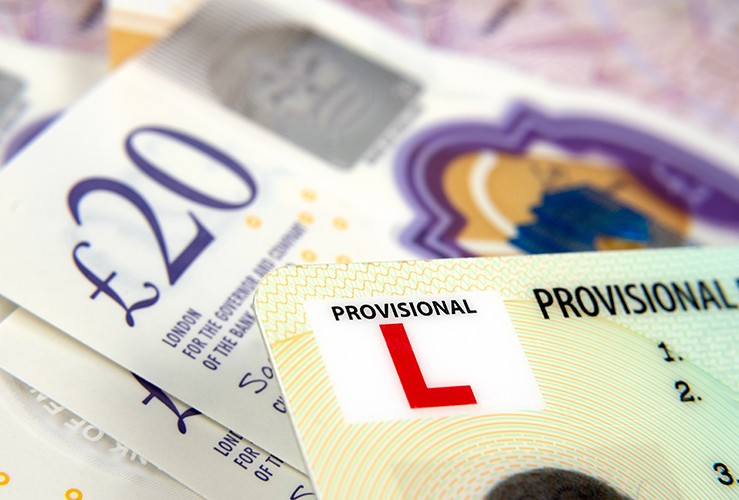
The first cost every learner must pay is for the provisional driving licence. Without this document you cannot take lessons, practise privately or book any tests. You can apply for it online or by post, and online applications are usually quicker. While this is one of the smaller expenses in your learning journey, it is essential. Once you have your provisional, you can begin learning with an instructor and practising with family or friends. It is also worth remembering that your provisional licence lasts ten years, so you will not need to renew it during your learning process unless your photo becomes outdated.
Driving Lesson Costs in the UK
The largest cost for most learners is driving lessons. UK learners typically need between 30 and 50 hours of professional instruction, although the exact number varies based on your confidence, experience and how regularly you practise. The price of lessons depends heavily on where you live. In London and other major cities, lessons are more expensive because of higher demand and increased instructor travel time. Manual lessons are often slightly cheaper than automatic lessons, but automatic learners sometimes progress faster because they do not need to learn clutch control or gear changes. In North London areas such as Tottenham, Wood Green and Enfield, prices also reflect the complexity of the roads. Learning in a busy urban area teaches you valuable real world skills quickly, but lessons may cost more due to the level of concentration and experience required from your instructor.
Block Booking Discounts
Most driving schools and instructors offer block booking discounts. Paying for 5, 10 or 20 lessons in advance can lower the cost per hour. This is one of the simplest ways to reduce the overall price of learning to drive. Block bookings also help you stay consistent because you are committed to a schedule. Consistency helps you learn faster and reduces the number of lessons needed overall, keeping costs down.
The Price of the Theory Test
Before you can book your practical driving test, you must pass the theory test. The theory test includes multiple choice questions and a hazard perception video assessment. Many learners underestimate the importance of proper preparation and end up retaking the test more than once. You will need learning materials such as a theory test app or a revision book. While the test itself is not expensive, retaking it adds extra costs. Passing the theory test the first time saves both time and money. Using DVSA approved study materials improves your chance of success and helps you understand the rules and responsibilities of driving.
Learning Materials and Apps
Learning materials for the theory test and practical skills can include official DVSA books, mobile apps, online subscriptions or printed guides. These resources help you study road signs, rules, hazard perception techniques and practical manoeuvres. Many learners find that a small investment in the right materials saves them money in the long run because they progress more quickly and avoid retaking tests. Good study tools also help you stay motivated and track your learning more effectively.

Private Practice Expenses
Practising with a friend or family member is a great way to improve your skills between lessons, but this also comes with financial considerations. The car you practise in must be insured for you as a learner driver. Some insurance policies offer temporary learner driver insurance, which covers you without affecting the owner’s no claims bonus. The cost varies depending on the car, your age and how long you want the insurance for. You will also need L plates for the car. These are inexpensive but essential, as driving without them is illegal for learners.
Fuel Costs
If you are practising privately, fuel costs can add up, especially if you practise regularly. Fuel prices vary across the UK and can change weekly. Planning shorter, focused practice sessions helps manage fuel expenses while still giving you valuable experience. Your instructor covers fuel during professional lessons, but private practice fuel is your responsibility or the responsibility of the person supervising you.
Mock Test Costs
Some instructors offer mock tests to help you prepare for the real practical exam. While optional, mock tests are extremely helpful for assessing your readiness and identifying areas to improve. Paying for a mock test can save money by preventing you from booking the real test before you are ready. Practical test waits can be long, so failing a test can cause delays and extra expenses.
The Cost of the Practical Driving Test
The practical driving test is another necessary cost. The test itself is affordable, but many learners choose to book extra lesson time on the day of the test so they can warm up beforehand. Instructors usually charge for the use of the car during the test as well. This covers their time, travel and the vehicle. These extra hours can add a noticeable amount to your total cost, but they are often worth it because warming up helps calm nerves and improves test performance.
Additional Lessons After Failing a Test
Failing the practical test is not uncommon, but it does add extra costs. You will need to pay for additional lessons to correct any issues and then pay again to rebook the exam. For this reason, many learners choose to take a mock test or book a final set of lessons to ensure they are fully prepared. Preparing thoroughly saves money over time and helps you approach test day with confidence.
Post Test Costs: Pass Plus
After passing their test, some new drivers choose to take the Pass Plus course. This optional training covers skills such as motorway driving, night driving and driving in different weather conditions. While it adds an extra cost, it can sometimes reduce your insurance premium. It also helps you feel more confident and prepared for real world driving situations.
Insurance Costs for New Drivers
Once you pass your test and get your own car, you will need insurance. Insurance for new drivers is often expensive due to lack of experience, but this cost is separate from the learning process itself. However, many learners want to understand the full picture of what driving will cost them immediately after passing. Purchasing a safe, reliable car and using black box insurance can lower premiums.
How to Save Money While Learning to Drive
There are several ways to manage the cost of learning to drive. Booking lessons in blocks saves money per hour. Practising regularly with a trusted friend or family member helps reduce the number of paid lessons you need. Using high quality theory test materials helps you pass the first time. Staying consistent with lessons prevents you from forgetting important skills and needing extra sessions to relearn them. Choosing an experienced, patient instructor also makes a big difference. A good instructor teaches clearly, corrects mistakes quickly and helps you progress efficiently.
Why the Cost is Worth It
While learning to drive can be expensive, it is an investment in your freedom and future. Being able to drive opens up opportunities for work, education, travel and independence. It saves time in daily life and gives you flexibility that public transport cannot always offer. The skills you learn also stay with you for life. Safe, confident driving is a lifelong benefit that outweighs the temporary costs of learning.
Final Thoughts
The real cost of learning to drive in the UK includes far more than just the price of lessons. Between your provisional licence, theory test, lessons, private practice insurance, fuel and the practical test, the total cost can add up. But with good planning, the right instructor and consistent practice, you can manage these expenses effectively and learn to drive with confidence. Whether you are learning in Tottenham, Wood Green, Enfield or anywhere else in the UK, understanding the true costs helps you prepare for the journey ahead.
Ready to Start Learning to Drive in North London
If you want clear guidance, patient instructors and structured lessons that help you progress quickly, we are here to support you. We offer manual and automatic lessons across North London and help learners build safe, confident driving skills from day one.


