
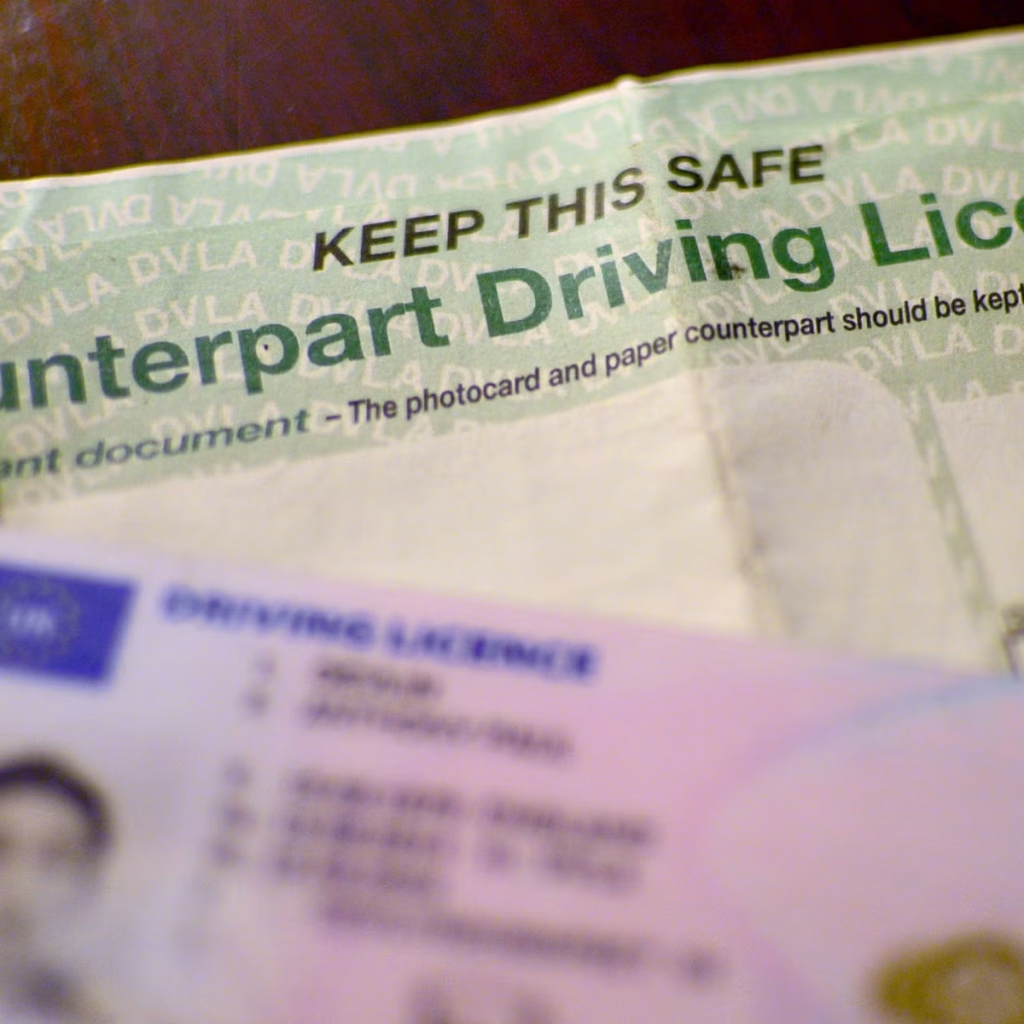

What to Do with Your Driving Licence After You Pass Your Driving Test
Passing your driving test is a major milestone and the beginning of your independence on the road. While the excitement of finally holding a full licence is unforgettable, many new drivers are unsure what actually happens next. There are steps you need to be aware of, processes the DVLA handles automatically and responsibilities you must take on as a newly qualified driver. Knowing exactly what to do with your driving licence after you pass helps you avoid mistakes, keeps your details up to date and ensures you are legally ready to drive independently. Whether you learned in a manual or automatic car, understanding the paperwork, rules and next steps gives you confidence and peace of mind.
Once you pass your practical test, your driving licence status changes from provisional to full. However, this transition involves more than simply putting your L plates away. You need to understand what happens to your old licence, how your new one is issued, what rules apply during your first two years and what responsibilities come with being a new driver. This guide explains everything you need to do with your driving licence after passing, from receiving your full licence to keeping it valid, safe and updated in the years ahead.
What Happens to Your Driving Licence Immediately After You Pass
As soon as you pass your driving test, the examiner will ask if you want them to automatically send your driving licence details to the DVLA. Most learners choose this option because it is faster and easier. If you agree, the examiner updates your record electronically and your full licence will be processed without you needing to apply manually. This means you can start driving straight away, even before your physical licence arrives. Your driving record updates in the DVLA system, and your entitlement to drive independently becomes active immediately. Knowing this helps you avoid worrying about whether you can legally drive while waiting for the card to arrive.
Driving Licence: When to Expect Your Full Licence in the Post
After the DVLA receives confirmation of your pass, they begin printing and preparing your new licence. Most new drivers receive it within one to three weeks. It may take longer during busier periods or if the DVLA needs to verify details. The licence will arrive as two parts: a photocard licence, and in some cases, an accompanying paper summary. Make sure the address on your provisional licence is correct before the test, because the DVLA will use the same address to send your full licence. If the address is outdated, you should update it before the test to avoid delays.
What If You Need to Apply Manually for Your Driving Licence?
In some cases, the examiner may not be able to process your details automatically. This could happen if your photo is outdated, your provisional licence is damaged or your personal information requires confirmation. In these situations, you will receive instructions to apply for your full driving licence manually. The process is still straightforward. You can apply online through the official DVLA website or send your provisional licence by post with the required forms. While this takes slightly longer, you are still allowed to drive independently once you have passed your test, as long as the DVLA has your details correctly recorded.
Driving Licence: Rules You Must Know as a New Driver
The moment you pass, you enter the New Driver Act period — a two-year phase designed to encourage safe driving. During this time, if you accumulate six or more penalty points, your driving licence will be revoked and you will return to learner status. This rule applies regardless of whether the points come from one offence or multiple. Understanding this is essential because your driving licence carries serious responsibility from the moment you pass. It is important to drive cautiously, avoid distractions, observe speed limits and continue building your confidence safely.
You Can Start Driving Straight Away — But Stay Sensible
Even though you can legally drive immediately after passing, it does not mean you must start with long or difficult journeys. Many new drivers choose to take shorter trips first to build confidence gradually. Your driving licence grants you full entitlement, but being sensible about your first solo drives helps you adjust smoothly to independent driving. Start with familiar routes, avoid peak traffic during your first few days and continue practising the skills your instructor taught you. Your driving licence represents independence, but safe habits still matter.
Driving Licence: When You Need to Update Your Personal Details
Your driving licence must always show accurate personal information. If your address changes, you must update your licence as soon as possible. Failure to update your address can result in fines and missing important letters from the DVLA. Updating your address is free and can be done online. If your name changes, for example after marriage, you will need to apply for a new licence with appropriate documentation. Keeping your driving licence information accurate ensures your records remain valid and helps avoid legal issues in the future.
Looking After Your Driving Licence Properly
Your driving licence is an important legal document, so you should store it safely. Keep it in a secure place where it will not get damaged, lost or stolen. Avoid bending it, leaving it in heat or storing it loosely in bags or pockets. If your licence becomes damaged or unreadable, you must apply for a replacement. If it is stolen, you must report it immediately to prevent identity misuse. Taking care of your driving licence ensures you always have valid proof of your entitlement when needed.
Driving Licence: Understanding Expiry Dates and Renewals
A UK photocard driving licence must be renewed every ten years. The expiry date is printed on the front of the photocard. Renewing your licence keeps your photo up to date and ensures your record is accurate. You will receive reminders from the DVLA when renewal is due, but you are responsible for making sure it is completed on time. Renewing is quick and can be done online, by post or at certain Post Office branches. Remember that driving with an expired licence is illegal, even if your entitlement to drive remains valid.
Do You Need to Notify Your Insurance Company?
Yes. Your insurance policy must reflect your current driving status. If you were previously insured as a learner, you must notify your provider that you have passed your test. Your policy will change to reflect your full driving entitlement. This may affect your premium, but it ensures your policy remains valid. If you do not update your insurer and you have an accident, your cover may become invalid. Your driving licence status matters for every policy you hold, so update information promptly.
Driving Licence: Understanding Vehicle Categories and What You Can Drive
Your full driving licence will display different vehicle categories showing what you are legally allowed to drive. Most new drivers receive a category B licence for cars. If you passed in a manual car, you can drive both manual and automatic. If you passed in an automatic, you are limited to automatics unless you pass a manual driving test. It is important to check your licence categories so you understand your entitlements. If you plan to drive other vehicles in the future — such as vans, motorcycles or minibuses — you will need additional tests and categories added.
Replacing a Lost or Stolen Driving Licence
If your driving licence is ever lost or stolen, you must apply for a replacement immediately. A missing licence poses a risk of identity fraud, so it should be reported as soon as possible. You can apply for a replacement online and the DVLA will issue a new photocard. While waiting, your entitlement to drive stays active. Keeping digital records of your licence number can help make the process quicker, but avoid storing sensitive details in unprotected locations.
Driving Licence: Why Photocard Accuracy Is Important
Your driving licence contains personal details, a photograph and information about what you are entitled to drive. Police, insurance companies and employers may need to check your licence, and any inaccurate information can cause delays or legal complications. If your appearance changes significantly, updating your photograph is recommended. If the photo is more than ten years old, the DVLA will require a new one when you renew. Keeping your driving licence updated helps you avoid issues in situations where you must confirm your identity and driving status.
Consider Upgrading Your Skills with Further Training
Your driving licence gives you the legal right to drive, but additional training can improve your confidence and safety. Courses like Pass Plus or motorway lessons help new drivers gain experience in more challenging environments. Although optional, these courses can reduce insurance premiums and teach valuable skills not covered fully during standard lessons. Your driving licence is only the beginning — the more experience you gain, the safer and more aware you become.
Driving Licence: Preparing for Future Driving Opportunities
As you gain confidence, you may consider driving different types of vehicles. Whether it is towing a trailer, driving a van or exploring electric vehicles, your driving licence will guide your eligibility. Some additional entitlements require further training or examinations. Understanding how your licence categories work helps you set future goals and expand your driving abilities. Many drivers find that once they gain confidence in everyday driving, they become interested in new challenges or careers involving driving.
What to Avoid Doing with Your Driving Licence
There are common mistakes new drivers make with their driving licences. Do not lend your licence to anyone, even for identification purposes. Do not keep it in unsafe places or leave it accessible to others. Do not ignore letters from the DVLA. Always keep your information current, and never assume that your licence is valid forever without renewal. Treat your driving licence with the same care as your passport — it is an essential legal document.
Final Thoughts
Receiving your full driving licence after passing your test marks the beginning of a new chapter. Understanding what happens next ensures you stay safe, legal and confident on the road. From updating your details to renewing your licence every ten years, each step plays a part in maintaining your driving entitlement. Your driving licence represents independence and responsibility. Look after it, keep it updated and treat it as an important part of your everyday life as a new driver. With the right knowledge and habits, you can enjoy your freedom on the road while staying safe and compliant.


