
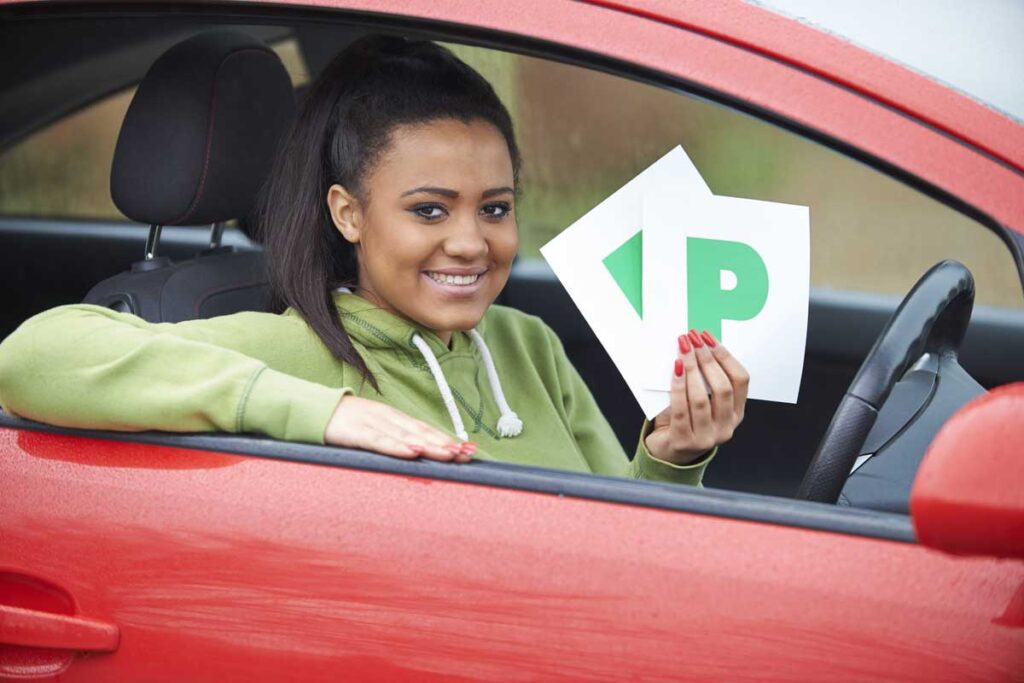

How to Choose Your First Car After You Pass Your Driving Test
Passing your driving test is a huge achievement, and choosing your first car is one of the most exciting steps you will take afterwards. While learning to drive teaches you the rules of the road, buying your first car teaches you something completely different — how to pick a vehicle that fits your lifestyle, your budget and your confidence level. Many new drivers feel unsure about where to start. There are hundreds of options, different costs involved, and a lot of advice from friends, family and the internet. The good news is that choosing your first car does not have to be overwhelming. With a clear understanding of your needs and the factors that matter most for beginners, you can make a smart decision that supports your safety, your budget and your long-term driving confidence.
Your first car plays a major role in shaping the kind of driver you become. It is the car that teaches you how to drive independently, how to handle real-life situations and how to build confidence without an instructor beside you. That is why it is important to choose a vehicle that is safe, reliable, affordable and comfortable to drive. This guide will help you understand what to look for so you can confidently choose your first car after passing your driving test.
Understanding What You Need from Your First Car
Before you start looking at models, prices or deals, think about what you actually need from your first car. Consider your daily routine, how often you plan to drive, whether you will take long journeys, and how confident you feel behind the wheel. Your first car should match your comfort level, not someone else’s expectations. For most new drivers, smaller cars are easier to control, cheaper to run and more forgiving as you continue learning. Think about practicality as well. Will you be driving alone most of the time, or do you need space for friends, family or work equipment? The more honest you are about your needs, the easier it becomes to avoid choosing a car that is too big, too expensive or too powerful for a beginner.
Your First Car: Why Size and Simplicity Matter
Many new drivers underestimate how much easier it is to drive a smaller car. Compact cars are lighter, easier to park and easier to manoeuvre in tight spaces. When you are still building confidence, a car that feels manageable reduces stress and helps you focus on the road ahead. Small cars also tend to use less fuel, cost less to insure and have lower road tax. You do not need advanced features or high horsepower while you are still adjusting to driving independently. Simplicity often leads to safer driving. Once you gain experience, you can always move on to a larger or more powerful car later.
Setting a Realistic Budget for Your First Car
Budgeting is one of the most important steps when choosing your first car. The purchase price is just the beginning. You also need to consider insurance, fuel, tax, MOT, servicing and potential repairs. Many new drivers choose a car that fits their budget initially, only to realise later that the running costs are too high. Creating a clear budget helps you avoid this mistake. Decide how much you can spend upfront and how much you can comfortably afford each month for running costs. Your first car should support your independence, not create financial pressure.
Your First Car: The Cost of Insurance for New Drivers
Insurance is one of the biggest expenses for new drivers. The cost can vary dramatically depending on the type of car you choose. Cars are grouped from insurance group 1 to 50, with smaller, simpler cars usually falling into the lower groups. Choosing a car from a low insurance group can save you hundreds of pounds every year. Insurance companies see smaller, less powerful vehicles as safer for beginners, which means lower premiums. When you search for your first car, check the insurance group before you make any decisions. You may discover that a car only slightly different in shape, size or engine power costs significantly less to insure.
Choosing Between Manual and Automatic for Your First Car
If you passed your test in a manual car, you can choose either manual or automatic. If you passed in an automatic, you are limited to automatic unless you take a manual test later. When choosing your first car, think about which transmission makes you feel more confident. Automatic cars are easier to drive, especially in heavy traffic. Many new drivers feel less stressed without having to manage clutch control or gear changes. Manual cars, however, are typically cheaper to buy and maintain. They also offer more control, which some drivers prefer. Choose whichever helps you feel safer and more relaxed on the road.
Your First Car: Safety Features That Matter
Safety is one of the most important factors when choosing your first car. Look for features that support new drivers and help prevent accidents. Anti-lock brakes (ABS), stability control, airbags, parking sensors and lane assist can all improve safety. Some newer models come with advanced features like automatic emergency braking, which can be extremely helpful for beginners. While older cars may be cheaper upfront, they may not offer the same level of protection. Your first car should help you feel safe, confident and supported while you build your skills.

Buying New vs Used: What New Drivers Should Consider
Many new drivers choose a used car for their first vehicle because it is more affordable and less stressful if small dents or scratches happen while learning. A good used car can offer excellent value, but make sure it is reliable and in good condition. Buying a brand-new car gives you the reassurance of warranty and fewer repair worries, but it also comes with higher costs. The best option depends on your budget and your priorities. For most new drivers, a well-maintained used car from a trusted seller or dealership is the ideal choice for your first car.
Your First Car: Mileage, Condition and Service History
Once you start viewing potential cars, look carefully at the condition, mileage and service history. A lower mileage car usually means less wear and tear, but good service history is equally important. Make sure the car has had regular oil changes, MOTs and maintenance. Check for signs of damage, rust, leaks or unusual sounds during a test drive. If you are unsure about anything, ask someone knowledgeable to come with you. A car that looks cheap upfront can become expensive if repairs start adding up. Your first car should be reliable and ready to drive without major issues.
Fuel Type: Petrol, Diesel, Hybrid or Electric?
For your first car, petrol is usually the most practical choice. Petrol cars are affordable, smooth to drive and cheaper to repair than diesel models. Diesel cars are better for long-distance drivers, but they cost more to maintain and may not be suitable for city driving. Hybrid and electric vehicles save money on fuel and are environmentally friendly, but they cost more upfront. If you drive short distances daily and want low running costs, a small petrol car is often the best choice. As technology progresses, you can always consider hybrids or electric cars in the future.
Your First Car: Comfort and Driving Position
Comfort plays a bigger role than most new drivers realise. If you feel uncomfortable in the driver’s seat, your confidence will drop and driving may become stressful. When viewing cars, test the driving position carefully. Can you see clearly over the dashboard? Do the mirrors give you full visibility? Can you adjust the seat and steering wheel easily? Do you feel relaxed behind the wheel? Your first car should feel natural and comfortable from the moment you sit in it.
Test Driving Your First Car
A test drive is essential before making any decision. Use this time to get a feel for how the car behaves. Pay attention to how smoothly it accelerates, how it handles corners, how responsive the brakes feel and how easy it is to park. Make sure you feel confident controlling the car at low speeds and in tight spaces. A test drive also reveals whether there are any mechanical issues, strange noises or warning lights. Never rush this step — your first car should feel stable, smooth and easy to handle.
Your First Car: Why Running Costs Are Just as Important as the Price
Many new drivers focus only on the purchase price, but running costs matter just as much. Fuel efficiency, tyre prices, parts availability, MOT fees and maintenance all affect long-term affordability. A car that seems cheap to buy can quickly become expensive if it uses a lot of fuel or requires constant repairs. When comparing cars, check the estimated miles per gallon (MPG), common repair costs and how often it requires servicing. Understanding these details helps you choose a car that fits your long-term budget.
Avoiding Common Mistakes When Buying Your First Car
New drivers often make predictable mistakes: choosing a car that looks stylish instead of practical, rushing into a purchase, ignoring insurance costs or buying from an untrustworthy seller. Avoid these by taking your time, creating a realistic budget, checking insurance groups, researching each model and asking questions. Do not feel pressured to buy quickly. Your first car should suit your needs, not someone else’s opinions.
Your First Car: Trusting Your Instincts
When buying your first car, trust your instincts. If something does not feel right — whether it’s the price, the seller, the condition or the way the car drives — walk away. There are always other options. Your comfort, safety and confidence matter more than finding a deal quickly. The right car will feel natural, safe and enjoyable to drive.
Final Thoughts
Choosing your first car after passing your driving test is a milestone that marks the start of true independence. The key is to choose a car that fits your lifestyle, your confidence level and your budget. Focus on safety, simplicity, affordability and comfort. Your first car should help you learn, grow and become a capable, confident driver. With the right approach and a clear understanding of your priorities, you will find a car that supports your journey on the road ahead. The goal is not just to choose a car — it is to choose the right beginning for your driving future.


