

Mock Driving Test: What to Expect and How to Prepare
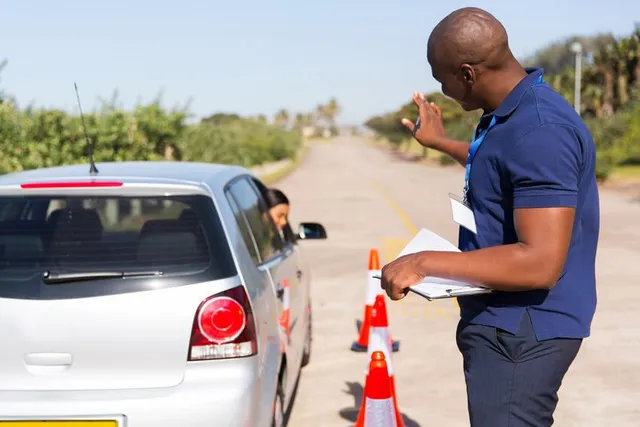
Taking a mock driving test is one of the most effective ways to prepare for your real practical test. It gives you the chance to experience the pressure, structure and expectations of test day without the consequences. Many learners reach a stage where they know how to drive but still feel unsure about what the official test will actually feel like. A mock driving test fills that gap by showing you exactly where your strengths are, where you need improvement and how to stay calm under pressure. Understanding what happens during a mock driving test helps you get the most out of it and prepares you to walk into your real test feeling confident, prepared and ready to succeed.
A mock test isn’t just a practice drive. It is a structured, realistic assessment that mirrors the DVSA driving test as closely as possible. You’ll follow the same format, complete the same types of tasks and receive feedback at the end, just like you would with an examiner. The difference is that instead of being judged formally, you receive constructive, supportive guidance designed to help you improve. Knowing how a mock driving test works before you take one allows you to relax, understand the process and focus on driving safely.
Why a Mock Driving Test Matters
A mock driving test gives you a realistic experience of test-day pressure, something normal lessons cannot fully recreate. During regular lessons, you have guidance, reassurance and ongoing instruction. But during a mock driving test, your instructor behaves like an examiner: quiet, observant and focused. This tests how well you can drive independently without prompts. It also reveals how your nerves affect your performance, whether you rush, hesitate or lose confidence. Experiencing this before the real test helps reduce anxiety, making the big day feel familiar rather than intimidating. A mock driving test shows you whether you are truly ready, not just technically capable.
Mock Driving Test: What the Assessment Looks Like
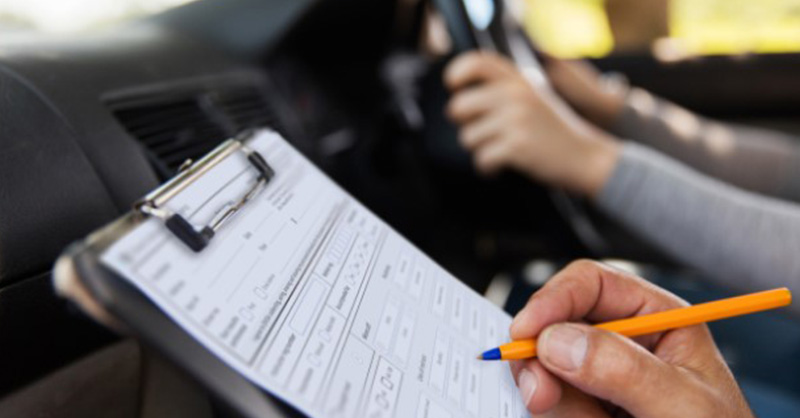
The mock driving test follows the same structure as the official DVSA test. You will begin with an eyesight check, answer two “show me, tell me” questions, go through controlled driving in different environments and perform one manoeuvre. You may also complete an emergency stop depending on the route. The instructor marks your performance using the DVSA marking sheet, noting any minors, serious faults or dangerous faults just as an examiner would. There are no hints or reminders throughout. This structure ensures the mock driving test feels as close to the real thing as possible, helping you prepare mentally and practically.
How the Eyesight Check Works
At the beginning of the mock driving test, you will be asked to read a number plate from the required distance, just like in the real exam. This ensures you understand the process and reduces the chance of feeling surprised on test day. If you struggle during the mock test, your instructor can help you make adjustments before the real exam, whether it’s checking your vision, wearing glasses or preparing your confidence.
Mock Driving Test: Show Me, Tell Me Questions
These two questions are part of every practical driving test, so they are included in mock tests as well. The “tell me” question is asked before you start driving, while the “show me” question is asked during the drive. Instructors use this moment to check your understanding of basic car safety and ensure you feel comfortable answering under test conditions. Getting these questions right in the mock test builds confidence and makes the real test feel easier.
Driving Independently Without Instructor Support
One of the biggest differences between normal lessons and a mock driving test is the lack of guidance. Your instructor will not remind you to check mirrors, adjust speed or plan ahead. You must drive independently, making decisions confidently without reassurance. This is an essential part of the real DVSA test, and experiencing it beforehand helps you learn how to think clearly under pressure. Independent driving also shows your instructor whether you rely on prompts and whether you are genuinely ready to drive alone.
Mock Driving Test: What to Expect During the Route
The route your instructor chooses will include a mix of roads chosen to reflect the challenges of real driving test routes. You can expect residential roads with parked cars, larger roads with traffic lights, roundabouts, multi-lane junctions and quieter streets for manoeuvres. You may also encounter complex road layouts or areas where test candidates often struggle. This exposes you to realistic challenges and allows your instructor to assess how you handle them without support. The route may change depending on traffic, weather or availability, just like on a real test.
Manoeuvres You May Be Asked to Perform
During the mock driving test, you will complete one manoeuvre chosen at random. These include parallel parking, parking on the right, bay parking or reversing into or out of a bay. Each manoeuvre assesses your control, accuracy and awareness. By practising manoeuvres under test pressure, you learn how to stay calm, observe properly and position the vehicle without stress. Completing a manoeuvre successfully in the mock driving test boosts your confidence significantly.
Mock Driving Test: Emergency Stop Practice
Although not always included in the real test, instructors may add an emergency stop to your mock driving test to see how you react under sudden pressure. This helps you practise braking safely, maintaining control and responding promptly. It also prepares you for the possibility of an emergency stop during the actual test, which roughly one in three candidates will experience. Knowing what to expect makes the real test feel less overwhelming.
Understanding How Faults Are Recorded
During a mock driving test, faults are marked just as they would be on a DVSA marking sheet. A driving fault (minor) shows a small mistake that does not significantly affect safety. A serious fault indicates a problem that could jeopardise safety, and a dangerous fault is one that puts you or others at risk. Learning how these faults are assessed helps you understand which habits need improvement. Seeing your mistakes laid out clearly also helps you prioritise what to work on before your real test.
Mock Driving Test: Managing Test-Day Pressure
Nerves play a big role in how learners perform during driving tests. A mock test helps you understand how your nerves show up. You may drive too cautiously, rush decisions, forget mirror checks or lose confidence. Seeing how pressure affects you gives your instructor insight into what you need to practise next. Many learners notice they feel much calmer during their real test because the mock driving test helped reduce fear and uncertainty. Familiarity is one of the most powerful tools you have for managing nerves.
What Your Instructor Looks For
During the mock driving test, your instructor observes how well you use mirrors, how smoothly you steer, how you manage speed, how you approach junctions and how confidently you follow signs. They also check your awareness of pedestrians, cyclists and other vehicles. Your planning, anticipation and lane discipline are assessed. All these details reflect how examiners evaluate candidates. Understanding this helps you refine your driving and eliminate any habits that could turn into faults.
Mock Driving Test: How Feedback Helps You Improve
At the end of the mock driving test, your instructor will go through your results, explaining each fault and offering suggestions. This feedback is extremely valuable because it shows you exactly where to focus your practice. For example, you may discover you need to slow down earlier at roundabouts, improve mirror checks before changing lanes or maintain better clutch control. This level of detailed feedback is not always obvious during normal lessons. After the mock test, you and your instructor can plan targeted lessons to improve specific skills.
Using a Mock Driving Test to Build Confidence
One of the greatest benefits of a mock driving test is the confidence it builds. Even if you make mistakes, completing a full test under realistic conditions proves to you that you can manage the pressure. Many learners find that after experiencing a mock test, the real exam feels far less daunting. You learn how it feels to drive without prompts, how to handle stressful moments and how to stay calm when you feel unsure. These skills are vital for passing the real test.
When You Should Take a Mock Driving Test
Most learners take a mock test once they are driving consistently well in lessons. This is usually after reaching a stage where manoeuvres, junctions and general road awareness feel comfortable. Taking the mock test too early may feel discouraging, while taking it too late may not leave enough time to improve. Your instructor will tell you when the time is right. Some learners take more than one mock driving test, especially if they want extra confidence before their real test. The more experience you have under test-like conditions, the stronger you become.
Mock Driving Test: What to Do After Your Practice Exam
After completing your mock driving test, review your feedback thoroughly. Work through your weaknesses calmly and use the next few lessons to refine your skills. If you struggled with nerves, practise steady breathing and slow decision-making. If you made technical mistakes, repeat those situations until you feel comfortable. A mock test is not about passing or failing. It is designed to prepare you, strengthen your skills and help you feel confident enough to succeed on your real test.
Final Thoughts
A mock driving test is one of the most valuable tools you can use when preparing for your practical exam. It replicates the real test environment, builds confidence and reveals exactly what you need to work on. By experiencing the structure, pressure and expectations in advance, you walk into your real test feeling prepared rather than uncertain. With focused feedback, targeted practice and renewed confidence, a mock driving test helps you become the capable, calm and safe driver you aim to be. The goal is progress, not perfection — and every mock test brings you one step closer to passing your practical test.


