
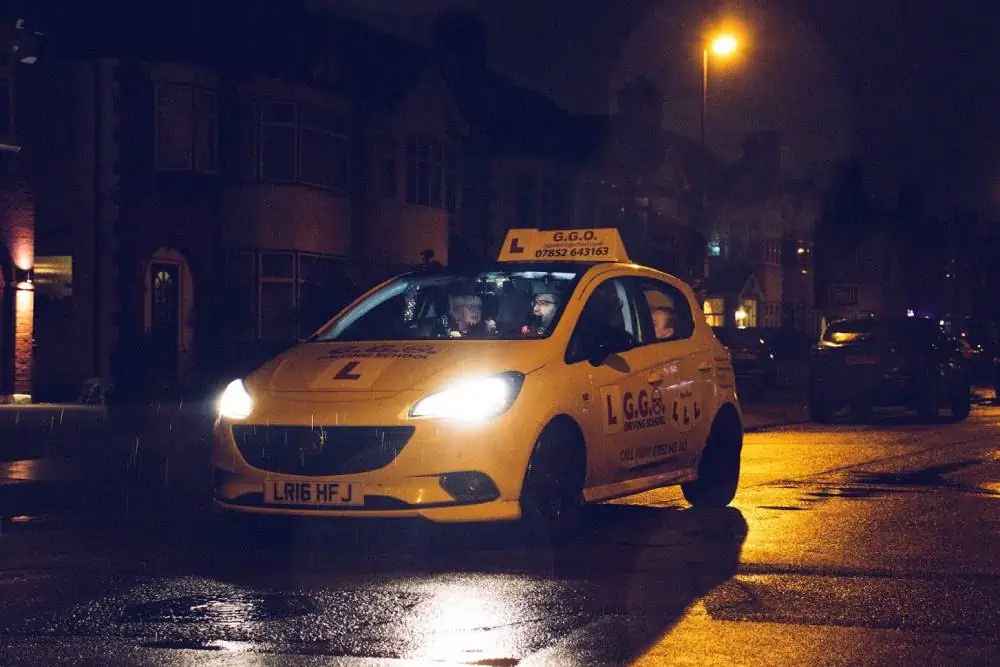

Night Driving in London During Winter: What to Know
Driving at night can feel challenging for any learner driver, but when you combine night driving with winter conditions and a busy city like London, the experience becomes even more demanding. Winter brings longer nights, colder temperatures, unpredictable weather and reduced visibility. London’s streets, with their mix of bright lights, shadows, reflective surfaces, roadworks and varied traffic patterns, add another layer of complexity. Although this might sound intimidating, with the right guidance and preparation, winter night driving can help you develop strong skills that make you a more confident and capable driver all year round. Understanding what to expect, how to adapt and how to stay calm will help you approach night driving with confidence rather than fear.
Why Night Driving Feels Different in Winter
Driving at night changes the way you judge distance, speed and space. In winter, this becomes even more noticeable because the sun sets early, temperatures drop and roads become slicker or more reflective. Headlights, streetlights and reflections behave differently when the air is colder and the roads are wet. Pedestrians often wear dark clothing, cyclists may be harder to spot and road surfaces shine more brightly. Winter also brings longer periods of darkness, meaning more journeys will take place at night whether you intend to or not. Understanding these differences helps you prepare mentally for night driving, especially if you are new to driving or still building your confidence.
Night Driving: How London’s Roads Change After Dark
London transforms at night. Some areas become quieter, while others become busier depending on nightlife, restaurants, shopping districts and public transport hubs. In winter, this contrast becomes more exaggerated. Areas around stations may be crowded with commuters, nightlife zones may be active and residential areas may be calm but full of parked cars and narrow spaces. Night driving teaches you to adapt quickly to changing environments. You will learn to recognise the difference between well-lit main roads and dimly lit residential streets. You will also experience how traffic flows differently at night — sometimes faster, sometimes slower and sometimes more unpredictably.
How Winter Weather Impacts Night Driving
Winter weather can change quickly. Rain, fog, frost and icy patches make road conditions more challenging. The cold air reduces visibility and creates glare more easily on wet surfaces. Fog softens lights, rain amplifies reflections and frost can make bends or junctions slippery. When you combine this with limited visibility during night driving, it becomes even more important to drive carefully and use your lights responsibly. Understanding how weather affects your car allows you to drive with confidence and reduce the risk of mistakes.
Night Driving: Staying Visible and Seeing Clearly
Good visibility is essential for safe night driving. In winter, it becomes even more important. Make sure your headlights are clean and working correctly before every journey. Dirt, salt and moisture can reduce the brightness of your lights. Use dipped headlights in built-up areas and switch to full beam only when appropriate and safe. Be prepared to reduce your speed when visibility drops and avoid staring directly into oncoming headlights, as this can temporarily reduce your ability to see clearly. Keeping your windscreen clean from the inside and outside also makes a big difference, especially at night when glare is more noticeable.
Understanding Glare During Night Driving
Glare from oncoming vehicles or streetlights can be one of the most uncomfortable parts of night driving. In winter, glare becomes more intense because wet roads and cold air create stronger reflections. When the light hits the surface of the road, it bounces upward and can cause sudden discomfort. To manage glare effectively, look slightly to the left of the road rather than directly into the lights. Keep your windows spotless to reduce internal reflections and make sure your mirrors are adjusted correctly. Most modern cars also have a night mode or anti-glare setting for the rear-view mirror, which greatly reduces discomfort from vehicles behind you.
Night Driving: The Importance of Adjusting Your Speed
Driving at night requires good judgement of speed. In winter, this becomes even more important because roads may be slippery and stopping distances increase. You should always adjust your speed according to visibility, weather and road conditions. Learn to slow down before bends, junctions and pedestrian crossings. Avoid harsh braking on wet or icy surfaces and give yourself more time to react. Remember that other drivers may also struggle with visibility, so creating space around your car is essential.
Recognising Pedestrians and Cyclists in Winter
One of the biggest challenges of night driving in London is spotting pedestrians and cyclists. Many people wear dark clothing and may step onto the road unexpectedly, especially in crowded or busy areas. In winter, the early darkness increases this risk. Cyclists may not always have bright lights or reflective gear. When driving at night, scan the road ahead continuously, look for movement near crossings and slow down when approaching bus stops or taxi ranks. Keeping your speed controlled and your observations sharp is key to staying safe.
Night Driving: Handling Complex Streets in London
London’s roads can be complicated, with multi-lane junctions, roundabouts, one-way systems and busy intersections. At night, these areas may feel more confusing because signs, road markings and turnings can be harder to see. Winter weather can also obscure markings. When navigating busy streets, take your time. Use your mirrors regularly, anticipate hazards early and approach junctions with caution. If you miss a turning, simply continue safely and find another route. What matters most is confidence and patience, not rushing.
Tips for Driving Confidently in Dimly Lit Areas
Not all streets are well-lit. Some residential zones, side roads or suburban areas around London may feel very dark at night. Winter can make these roads even more challenging due to frost or poor visibility. When approaching unlit or dimly lit areas, slow down and use your headlights to guide your view. Avoid the temptation to follow too closely behind other cars — instead, keep a safe distance so you can see the road clearly without relying on the vehicle ahead. Use the kerbside as a reference to maintain good positioning.
Night Driving: Why Observation Skills Must Be Sharper
Night driving requires sharper observation skills than daytime driving. Limited visibility means you must rely more heavily on peripheral vision, movement detection and mirror checks. Your mirrors help you identify vehicles approaching quickly from behind or moving across lanes. London pedestrians often step out unexpectedly, especially near busy crossings or nightlife areas, so be prepared to react calmly. Keeping your eyes moving and scanning constantly helps reduce the chance of missing important hazards.
Using the Right Lights at the Right Time
Knowing how and when to use your lights makes a significant difference during night driving. Dipped headlights are essential in built-up areas, allowing you to see clearly without dazzling others. Full beam is helpful on quiet, rural or unlit roads but must be turned off when approaching other drivers, cyclists or pedestrians. Winter weather may require fog lights in certain conditions, but remember to switch them off when visibility improves. Using lights correctly not only improves safety but also demonstrates responsible driving skills.
Night Driving: Dealing With Fatigue in Winter
Winter nights can be cold, long and tiring. With darkness falling early, fatigue becomes a major issue for many drivers. Feeling tired reduces your reaction time and decision-making ability. If you feel sleepy, it is important to stop and take a break. Even opening a window or taking deep breaths may not be enough if you are significantly fatigued. Planning your journeys, getting adequate rest and recognising early signs of tiredness are all essential responsibilities for safe winter driving.
Preparing Your Car for Winter Night Driving
Before heading out, make sure your car is winter-ready. Check your tyres for proper tread depth and pressure, as cold weather reduces tyre efficiency. Ensure your battery is in good condition because cold temperatures affect performance. Top up your screenwash and use a winter-grade formula to prevent freezing. Keep your lights clean and free from dirt or condensation. A well-prepared car gives you greater confidence and reduces the risk of breakdowns on dark, cold nights.
Night Driving: How to Stay Calm in Unfamiliar Areas
Driving somewhere new can feel intimidating, especially at night in London. Winter evenings often create busier zones around shops, stations and nightlife areas. If you are driving in an unfamiliar place, slow down, stay relaxed and use your sat-nav or road signs carefully. Do not worry about other drivers behind you — staying safe is more important than rushing. If you feel overwhelmed, find a safe place to pull over and regroup. Calmness is one of the most valuable driving skills you can develop.
Practising Night Driving With an Instructor
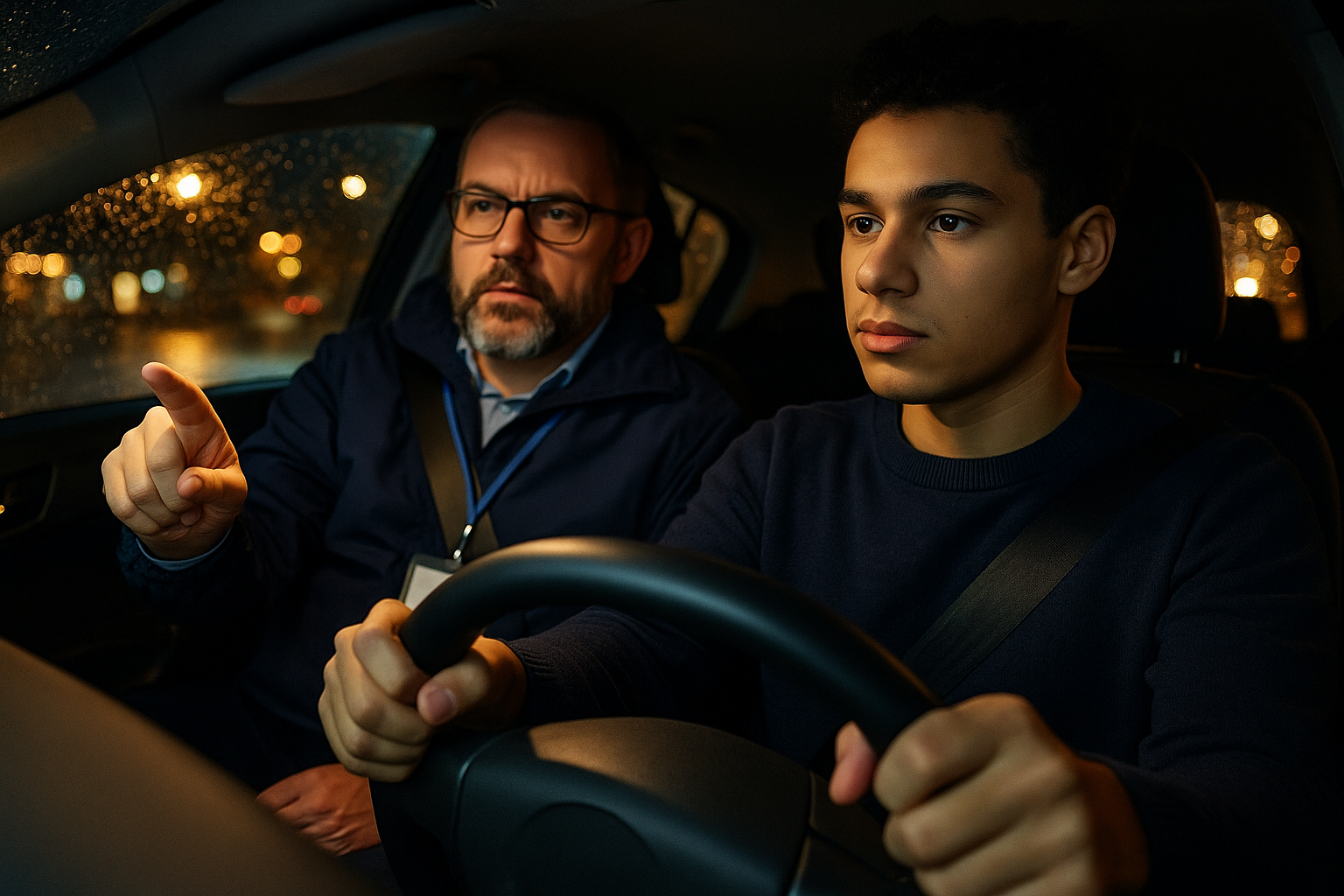
Night driving lessons with a professional instructor are incredibly valuable. An instructor helps you handle challenging roads, adapt to winter weather and build confidence without pressure. They can teach you techniques to manage glare, judge distance correctly and stay in control of the car at all times. Night driving lessons also help you prepare for real-life situations you will encounter once you pass your test. Although the UK driving test does not take place at night, the skills you develop through night driving make you safer and more aware in all conditions.
Final Thoughts
Night driving in London during winter may seem intimidating at first, but with the right mindset, preparation and guidance, it becomes manageable and even empowering. Winter conditions help you develop skills that make you a safer, more confident driver all year round. By practising regularly, learning how to manage glare, adjusting your speed, improving your observation skills and understanding how London’s roads change after dark, you will gain the confidence to drive safely and calmly in any situation. The more prepared you are, the more comfortable night driving will become.


