


Winter Driving for New Drivers: How to Prepare Safely
Driving during winter presents challenges that many new drivers are not fully prepared for. Colder temperatures, darker evenings, frosty mornings and unpredictable weather can all affect the way your car behaves and how you should respond on the road. Winter conditions require extra awareness, better preparation and more patience than usual. For someone who has only recently gained their licence, these seasonal changes can feel intimidating.
Understanding winter driving for new drivers is essential for staying confident, safe and calm behind the wheel. You do not have to be an expert driver to handle winter roads, but you do need to know what to look out for, how to prepare your vehicle and how to adjust your driving style when conditions demand it. This guide explains everything new drivers need to know to feel ready for winter driving and manage cold weather conditions with confidence.
Why Winter Driving Feels Different
Winter transforms the way roads feel, look and react under your tyres. Darkness sets in earlier, making visibility harder. Frost, ice and snow reduce traction. Rain becomes more frequent, and fog can appear suddenly. All of these conditions change your stopping distance, steering control and reaction time.
For those who have only driven in mild weather, winter introduces situations that require thought, preparation and skill. The goal is not to fear winter driving. Instead, it is to understand the challenges so you can adapt safely.
Winter Driving for New Drivers: Preparing Your Car
Before focusing on driving technique, it is crucial to ensure your car is ready for winter. A well maintained car performs better in cold weather and reduces the risk of breakdowns.
Start by checking your tyres. Winter reduces tyre pressure, so you may need to inflate them more often. Tread depth should be well above the legal minimum to provide better grip on wet or icy roads. In winter, deeper tread improves traction significantly.
Next, check your lights. With longer nights and shorter days, you will use your headlights more often. Make sure all bulbs are working and that your lenses are clean. Dirty headlights reduce visibility and make it harder for other road users to see you.
Your battery also works harder in cold weather. If your car struggles to start or you notice dimming lights, have your battery tested. Winter is the most common season for battery failure.
Finally, check your fluids. Screen wash should be winter grade to prevent freezing. Coolant should be at the correct level to prevent engine damage. Oil should be topped up and at the right viscosity for your vehicle.
Understanding How Winter Affects Road Grip
One of the most important parts of winter driving for new drivers is understanding how grip changes. Ice, snow and frost significantly reduce traction, meaning your tyres do not hold the road as tightly. Even rain can make roads slippery when combined with cold temperatures.
This lack of grip increases your stopping distance and reduces steering control. You must brake earlier, turn more gently and avoid sudden movements. Smooth driving is key to staying safe in winter.
Winter Driving for New Drivers: Adjusting Your Speed Safely
Speed management becomes even more important during winter. Even if the speed limit says 30 or 40 mph, that does not mean those speeds are safe in icy or snowy conditions.
You should drive at a speed that allows you to stop within the distance you can see ahead. In winter, that distance is often much shorter due to fog, darkness or slippery surfaces. Slowing down is not a sign of inexperience. It is a sign of responsible driving.
Increasing Your Following Distance
In winter, stopping distances can double or even triple. Because of this, new drivers must increase the distance between their car and the car in front. The usual two second rule becomes a four second rule, or even longer in icy conditions.
Keeping this space helps you avoid sudden braking and gives you more time to react. Following too closely in winter is one of the most common causes of accidents.
Winter Driving for New Drivers: Handling Frosty Mornings
On cold mornings, your car may be covered in frost or ice. Many new drivers are tempted to scrape only a small section of the windscreen, but this is unsafe and illegal. You must clear all windows, mirrors and lights before driving.
Allow extra time in the morning to de ice your car properly. Use an ice scraper, de icer spray or warm air from the heating system. Never use hot water on your windscreen, as it can crack the glass.
Using Headlights Correctly
Winter reduces visibility, so you must use your lights properly. Turn on dipped headlights whenever visibility drops, even during the day. Fog lights should only be used when visibility is severely reduced. Using them in normal conditions can dazzle other drivers.
Understanding how and when to use your lights is an essential part of winter driving for new drivers and helps everyone on the road stay safe.
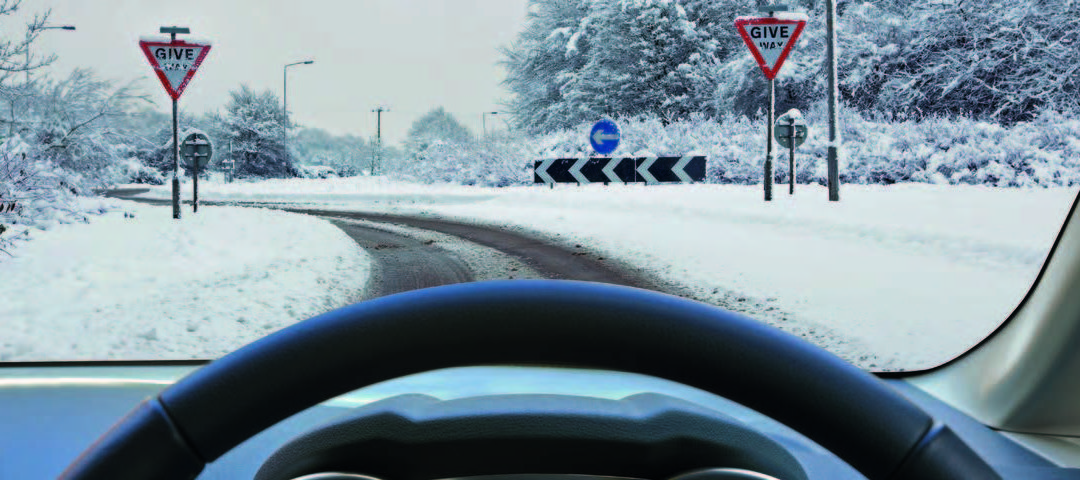
Winter Driving for New Drivers: Driving in Snow
Driving in snow requires patience, control and slow movements. Avoid harsh acceleration or braking, as these can cause your tyres to lose grip. Use gentle steering and allow the car to move smoothly.
Start in second gear when pulling away, as this reduces wheel spin. Keep your speed low and maintain steady momentum. If you begin to skid, steer gently in the direction of the skid and avoid slamming the brakes.
Managing Ice on the Roads
Black ice is one of the most dangerous winter hazards because it is nearly invisible. It often forms in shaded areas, on bridges and on early morning roads.
If you suspect ice, slow down, avoid sudden movements and hold the steering wheel firmly. Driving smoothly is the safest approach.
If your car begins to slide, stay calm and avoid using the brake pedal. Instead, ease off the accelerator and allow the car to regain traction naturally.
Winter Driving for New Drivers: Navigating Fog
Fog dramatically reduces visibility, so use your fog lights when necessary and switch them off once visibility improves. Never use full beam in fog, as the light reflects off the moisture and makes visibility worse.
Slow down, increase your following distance and stay aware of vehicles entering or leaving your lane. Fog requires concentration and patience, making it a key area of winter driver preparation.
The Importance of Smooth Steering and Braking
Winter roads punish harsh movements. If you turn the wheel too quickly or brake suddenly, your tyres may lose grip. Smoothness is your best defence.
Gentle steering, gradual braking and controlled acceleration are the foundation of safe winter driving. These habits help you maintain traction and avoid skidding.
Winter Driving for New Drivers: Planning Your Route
Planning ahead helps you prepare for poor weather. Before driving, check the forecast, traffic updates and road conditions. Avoid steep hills, rural roads or icy bridges when possible.
If conditions are extreme, consider delaying your trip. Even experienced drivers avoid unnecessary journeys during heavy snow or freezing rain.
Keeping an Emergency Kit in Your Car
An emergency kit is a must for winter driving. Prepare a small bag containing a warm blanket, gloves, a torch, water, a phone charger, a high visibility jacket and an ice scraper.
If you break down or get stuck in snow, these items help keep you safe and comfortable while waiting for assistance. New drivers often overlook this step, but it is a valuable precaution.
Winter Driving for New Drivers: Knowing When Not to Drive
One of the most responsible decisions a driver can make is choosing not to drive when conditions are too dangerous. If roads are heavily iced or snowfall is severe, it may be safer to postpone your journey.
Knowing your limits is an important part of becoming a confident and responsible driver.
Staying Calm in Difficult Situations
Winter driving can be stressful, especially when visibility drops or the road becomes slippery. Staying calm helps you think clearly and react safely.
If you feel overwhelmed, find a safe place to pull over and take a moment to breathe. Confidence grows with experience, and keeping your emotions steady helps you stay in control.
Winter Driving for New Drivers: Practising with an Instructor
If winter conditions make you nervous, booking a lesson with a qualified instructor can help. Instructors can teach you techniques for handling snow, ice, rain and fog.
Learning in a safe environment builds confidence and prepares you for real world winter situations.
Final Thoughts
Winter driving does not have to feel scary. With preparation, practice and awareness, you can stay safe and confident in cold weather. Understanding winter driving for new drivers helps you build strong habits that protect you and everyone else on the road.
Take your time, drive smoothly and stay alert. With the right mindset and skills, winter driving becomes another step in your journey toward becoming a capable and confident driver.


