


City vs Suburban Driving: Key Safety Tips for Learner Drivers
Learning to drive exposes you to many different types of roads and environments. While some areas feel calm and predictable, others require quick thinking, sharper awareness and the ability to stay composed under pressure. Two of the most common environments you will come across are busy city centres and quieter suburban neighbourhoods. Both offer valuable learning experiences, but the challenges you face in each can be completely different.
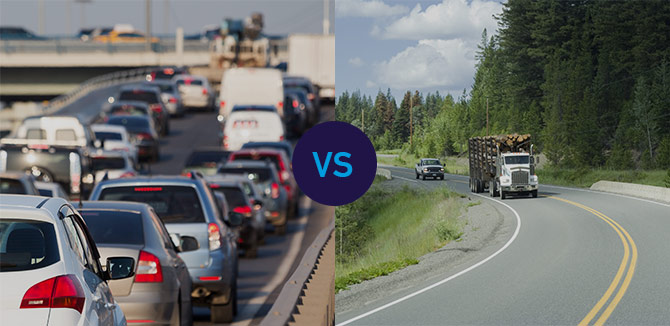
Understanding city vs suburban driving helps you develop the skills you need to drive safely anywhere. City centres can feel busy, unpredictable and intense, with heavy traffic, pedestrians crossing unexpectedly and buses or taxis stopping often. Suburban areas, on the other hand, may appear peaceful and straightforward, yet they come with their own risks, such as parked cars, tight residential roads and children playing outside.
Being able to adapt your driving style to each environment is a key part of becoming a confident, safe and capable driver. This guide explores the differences between city and suburban driving, the common hazards you will face and the essential safety tips every learner needs to know.
Why City and Suburban Areas Feel So Different
City centres and suburbs are built for different purposes. Cities prioritise movement, business and public transport, which means the roads are busy and constantly changing. Suburbs are designed for slower living, community and housing, making the roads quieter but narrower and often unpredictable in different ways.
Understanding why these environments feel different helps you shift your driving style as needed. A learner who can comfortably switch between urban and suburban settings is far more likely to stay safe, relaxed and ready for real world driving after passing their test.
City vs Suburban Driving: Understanding Traffic Flow
Traffic flow in a city centre is very different from traffic flow in a suburban environment. In cities, traffic moves in waves. You may find yourself stopping frequently at lights, creeping forward in queues or navigating several traffic lanes at once. This requires patience and strong clutch control if you are in a manual car.
In contrast, suburban traffic is usually lighter, but the flow can be inconsistent. You might experience sudden stops caused by a car reversing out of a driveway or a cyclist appearing from behind a line of parked cars. Understanding how each environment flows helps you anticipate hazards sooner.
Managing Speed in Different Areas
Speed control is one of the biggest differences between city and suburban driving. In city centres, speed limits are often lower, and you must be prepared to drive slowly for long periods. Heavy traffic, narrow lanes and frequent stops mean you must keep your speed under control.
In suburban areas, speed limits may be higher on main roads, but residential streets usually have lower limits. You must constantly adjust your speed based on your surroundings, pedestrians, parked cars and school zones. Adapting your speed safely is a crucial skill in both environments.
City vs Suburban Driving: Pedestrian Awareness
City centres are full of pedestrians. People cross roads quickly, step off pavements unexpectedly and often rely on traffic lights or pedestrian crossings to guide them. You must constantly scan the road for people crossing, especially near shops, bus stops or train stations.
Suburban areas may seem calmer, but pedestrians can be less predictable. Children playing outside, people walking dogs or residents stepping out from between parked cars are common hazards. Maintaining strong observation skills helps you stay safe in both environments.
Dealing with Buses, Taxis and Cyclists in the City
City centres often have multiple forms of traffic sharing the road. Buses stop frequently and may pull out suddenly. Taxis may drop off or pick up passengers at the roadside. Cyclists weave through traffic and can appear beside your vehicle with little warning.
Learners must stay calm, keep a safe distance and anticipate movements early. Using your mirrors regularly, signalling clearly and keeping space around your car helps you manage these situations safely.
City vs Suburban Driving: The Importance of Spatial Awareness
City driving often requires strong spatial awareness. Lane positioning, tight junctions and busy roundabouts demand precision. You have less room for error, and staying centred in your lane matters.
Suburban driving also requires spatial awareness, but for different reasons. Parked cars often take up a large part of the road, and you must navigate carefully without crossing the centre line too much. Learning to judge space and understand the size of your vehicle is valuable in both environments.
Understanding Road Layouts and Signage
City roads can feel complicated. One way systems, bus lanes, cycle lanes and multiple lane junctions require quick decision making. You must read signs early and position your vehicle correctly.
Suburban areas tend to have simpler layouts, but misleading markings or faded signs can still create confusion. Roundabouts, mini roundabouts and residential junctions require clear observation and calm decision making. Understanding road layouts helps you stay confident and avoid last minute manoeuvres.
City vs Suburban Driving: Handling Parking Situations
Parking in busy city centres can be challenging. You may need to park in tight spaces or multi storey car parks. Parallel parking on busy roads can feel intimidating when pedestrians and cars are constantly moving around you.
Suburban parking is usually easier, but you still must stay alert. Reversing near driveways, navigating narrow streets with parked cars and avoiding low visibility hazards are essential skills. Practising parking in both regions makes you a more adaptable driver.
How to Stay Calm in Busy Traffic
City driving can feel overwhelming because so much is happening at once. Staying calm is essential. Focus on what is ahead of you, avoid rushing and give yourself time to make decisions. Slow, steady and controlled driving is safer than trying to keep up with vehicles around you.
In suburban traffic, staying calm means resisting the urge to speed up on open roads. Driving too fast increases risk and reduces reaction time. Calm driving helps you make safe choices.
City vs Suburban Driving: The Role of Anticipation
Anticipation is the skill of seeing what might happen before it happens. In city centres, anticipation helps you predict sudden lane changes, unexpected stops and pedestrian movements.
In suburbs, anticipation helps you spot hazards such as parked cars, children playing or vehicles reversing. Strong anticipation makes you a safer and more confident driver in both environments.
Bus Lanes, Cycle Lanes and City Rules
City centres often have additional rules. Bus lanes may operate at certain hours, and cycle lanes can restrict your positioning. Learners must understand how these lanes work to avoid mistakes.
Suburban areas may have fewer restrictions, but you must still pay attention to signs, school zones and local traffic calming measures.
City vs Suburban Driving: Night Driving Differences
Night time driving looks different depending on your location. In cities, bright streetlights, reflections and active nightlife can affect visibility. You must be ready to manage glare and maintain clear awareness.
In suburban areas, lighting may be limited, making it harder to see pedestrians, cyclists or animals on the road. Adjusting speed and keeping headlights clean and clear helps you stay safe.
Managing Roundabouts and Junctions
City roundabouts can be large, busy and multi lane. Suburban roundabouts may be smaller but more frequent. In both environments, roundabouts demand strong observation, lane discipline and calm positioning.
Suburban junctions often require early judgement because visibility may be limited due to trees, fences or parked cars. City junctions may involve pedestrian crossings, traffic lights and bus lanes. Feeling comfortable with both helps you prepare for real world driving.
City vs Suburban Driving: Hazard Perception Differences
City driving exposes you to frequent, fast changing hazards. Suburban driving exposes you to unpredictable, hidden hazards. Understanding this difference helps you adapt your driving style.
Developing strong hazard perception skills is essential for both environments and helps you remain safe and confident on every journey.
How City and Suburban Driving Prepare You for the Test
Learners who practise in both environments are often the best prepared for the driving test. Test routes include a mix of busy roads, quiet residential streets, roundabouts and unpredictable hazards.
Experiencing city vs suburban driving helps you stay adaptable and confident, giving you a strong foundation for test day and everyday driving.
Final Thoughts
Driving safely requires more than technical skill. It requires awareness, patience, adaptability and confidence. Understanding the differences between city vs suburban driving helps you adjust your approach and stay in control no matter where you drive. Both environments teach valuable lessons. Cities strengthen your awareness, decision making and resilience. Suburbs help you refine spatial judgement, anticipation and calm control.
With regular practice, the right guidance and a positive attitude, you will learn to navigate both environments smoothly and safely. The more experience you gain, the more prepared you become for real world driving scenarios.


