


Roundabout Mistakes: What Learner Drivers Get Wrong and How to Fix It
Roundabouts are one of the most common and important road features you will encounter in the UK. They keep traffic flowing and reduce the likelihood of serious collisions, but they can also be intimidating for learner drivers who are still developing confidence with observation, timing and lane discipline. Many learners say roundabouts are one of the last things they truly feel comfortable with, and this is completely normal. They require quick decisions, strong awareness and an understanding of right of way rules.
Whether you are approaching your first few roundabouts or preparing for your practical test, understanding the most common roundabout mistakes will help you stay in control. Learners do not struggle because roundabouts are impossible. They struggle because roundabouts mix moving traffic, decisions under pressure and constantly changing situations.
This guide breaks down the biggest roundabout mistakes learners make and explains how to avoid them with confidence.
Why Roundabouts Feel Challenging for Learner Drivers
Roundabouts combine several skills at once. You must judge gaps, choose lanes, observe multiple directions and stay aware of traffic behind you. This level of multitasking can feel overwhelming until it becomes familiar.
Many learners worry about stalling, entering too slowly, entering too fast or holding up traffic. These fears are natural, but the best solution is preparation. When you understand the rules and practise consistently, roundabouts become predictable rather than stressful.
Roundabout Mistakes: Approaching Too Fast
One of the most common roundabout mistakes is approaching too quickly. Learners sometimes feel pressured by cars behind them or worry about slowing traffic, which leads them to approach faster than they can handle. This reduces thinking time and makes it harder to judge gaps safely.
The fix is simple. Slow on the approach. Use the mirror signal manoeuvre routine and reduce speed early. Approaching slowly gives you time to observe traffic coming from the right and decide whether it is safe to enter. Calm approaches prevent rushed decisions and help you build confidence.
Not Slowing Down Early Enough
Another version of approaching too fast is braking too late. Learners who leave braking to the last moment often feel flustered and end up stopping suddenly. Late braking startles other drivers and can make it harder to maintain control of the car.
Instead, begin reducing speed well before the roundabout. Look for lane markings, signs and the shape of the island. The earlier you slow down, the smoother your approach becomes.
Roundabout Mistakes: Poor Lane Discipline
Lane discipline is a major challenge for learners. Many mistakes happen because learners are unsure which lane to choose or drift out of their lane as they drive around the roundabout.
The general rule is simple. Left lane for left or straight ahead. Right lane for right turns or full circle. However, not every roundabout follows this pattern, so reading road signs and markings is essential.
To improve lane discipline, plan early. Position your car several seconds before you reach the roundabout, check markings and stick to your lane with gentle steering. Smooth and steady steering prevents you from drifting.
Not Checking Signs and Road Markings
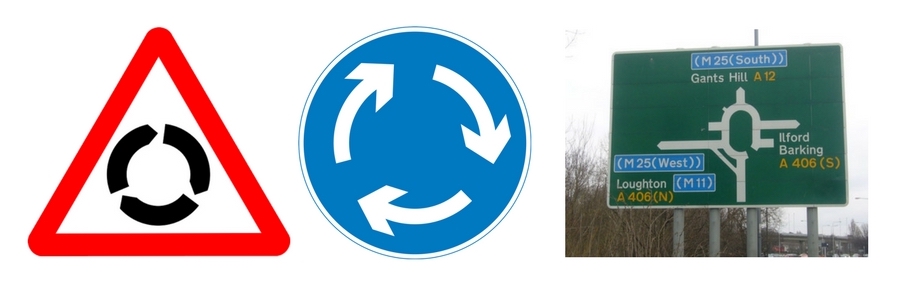
Many roundabout mistakes start long before reaching the give way line. Failing to read signs or ignoring lane arrows leads to confusion. Roundabouts often have their own layouts, especially in busy towns or near major junctions. Without checking signs, you may find yourself in the wrong lane.
The fix is awareness. Look ahead as soon as you see a roundabout sign. Identify your exit number, check which lane you need and position early. Planning is your best tool for staying in control.
Roundabout Mistakes: Hesitating When the Gap Is Clear
Hesitation is extremely common among learners. Sometimes fear or overthinking prevents learners from taking a safe gap. This leads to stopping unnecessarily or waiting too long, which confuses other drivers and disrupts traffic flow.
While hesitation is understandable, the key is building confidence in your judgement. Watching how other cars enter can help you recognise safe gaps. With practice, you will learn to trust yourself and move smoothly when the gap is appropriate.
Going When the Gap Is Not Safe
The opposite mistake also occurs. Learners sometimes feel pressured by cars behind them and enter when the gap is too small. This creates danger for both you and other drivers.
A safe gap means the approaching vehicle will not need to slow down for you. If you are unsure, wait. It is better to be patient and safe than rushed and unsafe.
Roundabout Mistakes: Forgetting Mirror Checks
Failing to check mirrors is one of the most frequent mistakes learners make. Roundabouts require constant awareness of cars behind and beside you. Without mirror checks, you may not see a vehicle approaching quickly from behind or a cyclist riding alongside you.
To avoid this, build a habit of checking mirrors before signalling, before changing lanes and before exiting the roundabout. Strong mirror use makes you predictable and safe.
Misusing Indicators
Indicators help other drivers understand your intentions, but learners often signal too early, too late or forget to signal altogether. Incorrect signalling can confuse drivers entering or exiting the roundabout.
The correct signalling routine is simple. Signal left if turning left. No signal for straight ahead. Signal right for right turns and full circles. Always signal left when exiting, even if you are already in the left lane.
Roundabout Mistakes: Not Signalling When Exiting
Failing to signal when exiting the roundabout is a common learner error. Other drivers rely on your exit signal to judge whether they can enter safely. Without it, you may cause hesitation or confusion.
Signal left once you pass the exit before yours. This tells others you are leaving the roundabout and allows traffic waiting on the next entry to move confidently.
Incorrect Positioning When Exiting
Learners sometimes drift between lanes when exiting or exit from the wrong lane altogether. This usually happens when they are unsure or distracted.
The fix is to choose your lane early, keep your steering steady and follow road markings carefully. If you accidentally end up in the wrong lane, do not panic. Stay in your lane and exit safely, then adjust your route afterward.
Roundabout Mistakes: Not Looking Right Early Enough
Judging gaps requires early observation. If you wait until reaching the give way line to look right, you have less time to react. This often leads to rushed decisions or unnecessary stops.
Start observing to the right while approaching. You will see traffic flow earlier and understand whether you will need to stop or whether a gap might be available by the time you arrive.
Overthinking and Panicking Under Pressure
Many roundabout mistakes happen because learners panic or feel pressured by cars behind. Nervousness can lead to stalling, harsh braking or freezing at the give way line.
The best solution is to stay calm and focus only on what is ahead of you. Drivers behind you expect you to take your time. Your safety matters more than their impatience.
Roundabout Mistakes: Stalling on the Approach
Stalling is common when learners worry about clutch control or try to enter too quickly. Approaching slowly and preparing the clutch earlier will reduce the risk of stalling.
If you stall, breathe, restart the engine and rejoin when it is safe. Stalls are part of learning. What matters is staying calm and recovering safely.
Not Understanding Who Has Priority
A major roundabout mistake is misunderstanding right of way. Traffic already on the roundabout always has priority. Learners sometimes enter believing another car will stop or slow down for them, which is dangerous.
Always observe traffic on the roundabout and wait until you are fully confident in the gap.
Roundabout Mistakes: Not Looking Ahead While Driving Around the Roundabout
Once learners enter the roundabout, they sometimes focus only on the right, forgetting to look ahead. This causes unstable steering or drifting.
When you are already on the roundabout, look where you are going. Glance at traffic to your right only when necessary. Your steering becomes smoother when your eyes lead the way.
Cutting Across Lanes
Cutting across lanes is one of the most serious roundabout mistakes and can cause collisions. It usually happens because the learner panics or is unsure of their exit.
Planning is the solution. Know your exit. Know your lane. Keep your steering steady. If you miss your exit, continue around the roundabout again.
Final Thoughts
Roundabouts may seem challenging, but with time and practice they become predictable and even enjoyable. Most roundabout mistakes come from uncertainty, hesitation or lack of planning. When you understand the rules, approach calmly and practise regularly, everything becomes easier. Roundabouts require awareness, patience and confidence, all skills you will naturally develop with experience. The more roundabouts you encounter, the more comfortable you will feel. With clear routines and consistent practice, you will handle them safely and confidently in your driving test and throughout your driving life.


