


Driving on Dual Carriageways: A Guide for Learner Drivers
Dual carriageways are an important part of UK road systems and, for many learner drivers, they mark a big step forward in developing confidence and real-world driving skills. These roads are faster, wider and more demanding than typical urban streets, and they require strong observation, lane discipline, speed control and awareness. While dual carriageways might seem intimidating at first, they are actually designed to keep traffic flowing smoothly and safely. With the right understanding and steady practice, they can become one of the most comfortable and predictable environments for new drivers.
This guide explains everything a learner needs to know about driving on dual carriageways, covering how to join, how to overtake, how to stay safe at higher speeds and how to build confidence over time.
Why Dual Carriageways Feel Different from Normal Roads
Dual carriageways allow traffic to travel faster and in a more structured flow, which makes them very different from residential roads or town centres. Instead of constant stopping and starting, dual carriageways offer long stretches of uninterrupted driving. For learners, this means adjusting to higher speeds and maintaining control over longer distances. The lanes are wider, the traffic moves quickly and drivers often have to make decisions sooner than they would on quieter roads.
The speed alone can feel overwhelming, but dual carriageways are some of the safest roads in the UK because they have fewer obstacles, fewer sharp bends and separate directions of travel. Once you learn how they work, they become one of the most predictable road types to drive on.
Driving on Dual Carriageways: Understanding Road Layout and Signs
Before you begin driving on dual carriageways, it helps to understand the layout. A dual carriageway consists of two lanes or more going in each direction, separated by a central reservation. Signs often show speed limits, upcoming exits and information about lane changes. Because traffic moves faster, these signs matter even more.
Learners must develop the habit of reading signs early so they are not surprised by a sudden exit, merging lane or speed change. Early planning gives you more time to adjust without rushing or panicking.
Preparing to Join the Dual Carriageway
Joining a dual carriageway is usually done from a slip road, also called an acceleration lane. This lane is designed to help you build up speed before merging. Many learners find this part nerve-wracking, but merging becomes much easier when you understand that you are not expected to force your way in. Instead, your goal is to match the speed of traffic and join when there is a safe, comfortable gap.
Using the slip road properly allows you to accelerate gradually, check mirrors, observe traffic in the right-hand lane and position yourself confidently.
Driving on Dual Carriageways: Merging Smoothly and Safely
Merging is one of the key skills involved when driving on dual carriageways. As you travel down the slip road, you should build up enough speed to match the flow of traffic. This helps you enter without causing other drivers to brake sharply. Before merging, observe the right-hand lane repeatedly, using your mirrors and also turning your head briefly to check your blind spot.
Once a gap appears, steer smoothly into your lane without hesitation. A steady and confident merge sets the tone for the rest of your journey and helps you settle quickly into the flow of traffic.
Keeping a Safe Speed and Staying in Control
Dual carriageways normally have higher speed limits, often 60 or 70 miles per hour. For learners, reaching and maintaining these speeds can feel unfamiliar. The key to managing higher speeds is smooth acceleration and consistent lane positioning. Faster driving requires more stable steering, stronger awareness and earlier planning.
Staying in the left-hand lane is recommended for learners because it allows you to build confidence gradually. You do not need to push yourself beyond your comfort level. Focus on driving steadily rather than trying to keep up with the fastest vehicles.
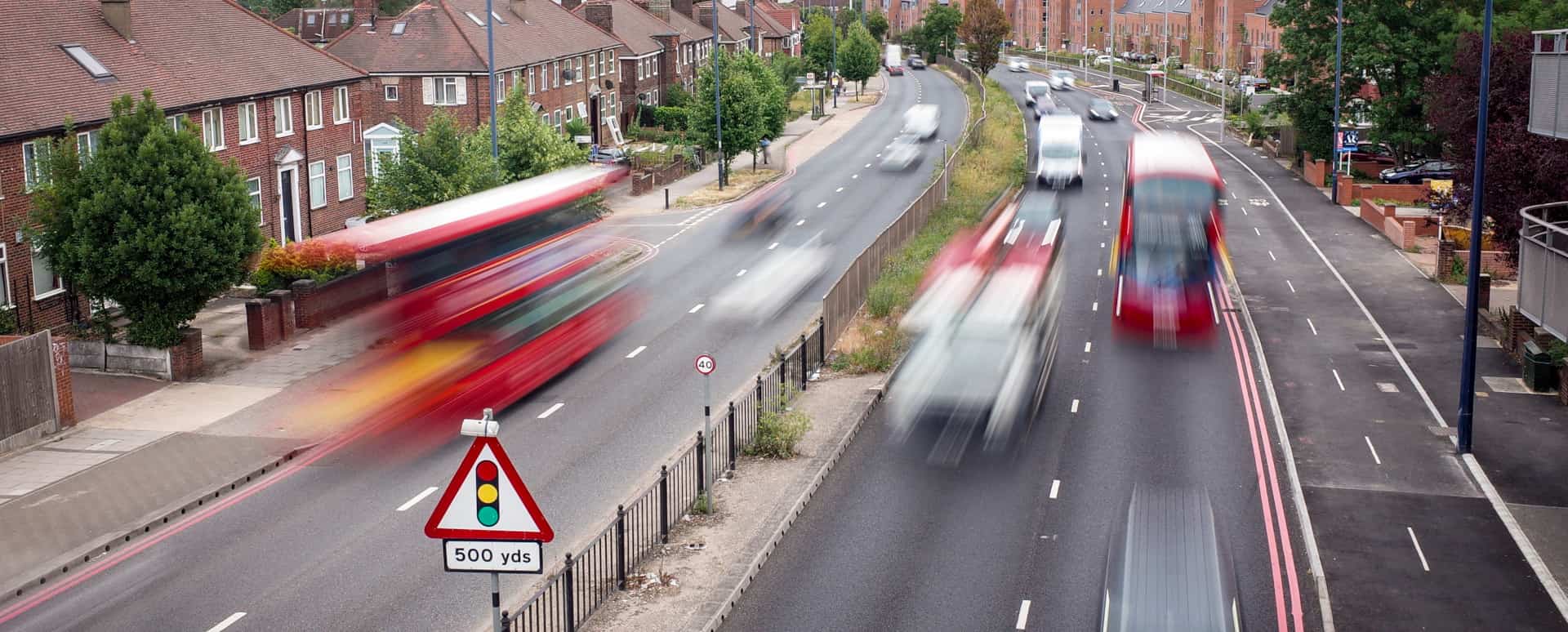
Driving on Dual Carriageways: Maintaining Good Lane Discipline
Lane discipline is essential on dual carriageways. You should stay in the left-hand lane unless overtaking. Learners sometimes drift toward the centre line or hug the kerb too closely when nervous. The safest approach is to keep the car centred within your lane using gentle steering adjustments. Avoid weaving or making sudden lane changes without observing carefully.
Good lane discipline helps you stay predictable to other road users and reduces stress during faster driving.
Understanding Safe Following Distances at Higher Speeds
The faster you drive, the longer it takes to stop. This is why following distances must be increased significantly on dual carriageways. A two-second gap in normal conditions is the minimum. In rain, fog or poor visibility, you should increase this distance even more.
Creating space protects you from sudden braking, gives you more time to react and makes the entire driving experience more relaxed. Learners often underestimate how valuable space is at higher speeds, but a generous following distance is one of the strongest tools for staying safe.
Driving on Dual Carriageways: Overtaking with Confidence
Overtaking is a skill that many learners find challenging. The idea of moving into a faster lane and returning to the left afterwards requires careful observation and timing. When overtaking, check your mirrors, signal, check your blind spot and move into the right-hand lane smoothly.
Once you overtake, move back into the left lane when it is safe and clear. Overtaking should never be rushed. If you are not comfortable overtaking yet, it is perfectly acceptable to remain in the left lane until you build more confidence.
Recognising When Not to Overtake
Part of learning safe overtaking is recognising when it is unsafe. If another car is approaching quickly in the right-hand lane, if you are unsure of the gap or if traffic is unpredictable, it is safer not to overtake.
Making wise decisions is more important than completing the overtaking manoeuvre. Dual carriageway driving becomes far easier when you learn to trust your judgement.
Driving on Dual Carriageways: Checking Blind Spots at Higher Speeds
Blind spots are more significant at higher speeds because vehicles can appear much faster than expected. When changing lanes, turning your head to check your blind spot ensures that you are not about to pull into the path of another car. This quick glance is essential for safety and must be done before any lane movement.
With practice, this becomes a natural part of your routine rather than something you have to deliberately think about.
Staying Aware of Large Vehicles
Dual carriageways often include lorries, buses and vans. These larger vehicles have bigger blind spots and sometimes travel more slowly on inclines. You should never linger beside a large vehicle. If you need to pass, do so safely and smoothly, always ensuring there is plenty of space.
Being aware of how large vehicles behave helps you stay out of dangerous positions and improves your confidence when navigating busy roads.
Driving on Dual Carriageways: Handling Slip Roads When Exiting
Exiting a dual carriageway requires just as much planning as entering one. You will usually see signs well in advance telling you which lane leads to your exit. Do not leave it too late. Move into the correct lane early, checking your mirrors and signalling clearly.
Once you reach the slip road, begin reducing your speed gradually. Avoid slowing down on the main carriageway, as this can confuse other drivers and create unnecessary risk. The slip road is designed specifically to allow you to adjust your speed comfortably.
Managing Speed Limits and Sudden Changes
Speed limits on dual carriageways can change suddenly due to roadworks, weather conditions or variable speed cameras. Being aware of these changes helps you stay safe and avoid penalties.
Paying attention to signs and making smooth adjustments prevents sudden braking, which can be dangerous at high speeds.
Driving on Dual Carriageways: Staying Calm When the Road Gets Busy
Dual carriageways are often busy during peak times. Heavy traffic can feel intimidating, especially when vehicles travel close together. Staying calm, keeping a generous following distance and avoiding unnecessary lane changes helps you maintain control. Even in heavy traffic, the road remains predictable when you stay patient and focused.
Building Confidence with Practice
Confidence grows each time you use a dual carriageway. At first, the speed, noise and volume of traffic may feel overwhelming. But with practice, dual carriageways become familiar and far less stressful.
Every journey helps you understand your car better, make clearer decisions and navigate the road with increasing ease.
Final Thoughts
Learning the skill of driving on dual carriageways is an important part of becoming a confident, independent driver. These roads require strong observation, smooth control, careful judgement and early planning. Once you build these habits, dual carriageways become some of the safest and most predictable environments to drive in.
Take your time, stay calm and practise regularly. With each experience, your confidence and control will grow, preparing you for driving independently after you pass your test.


