
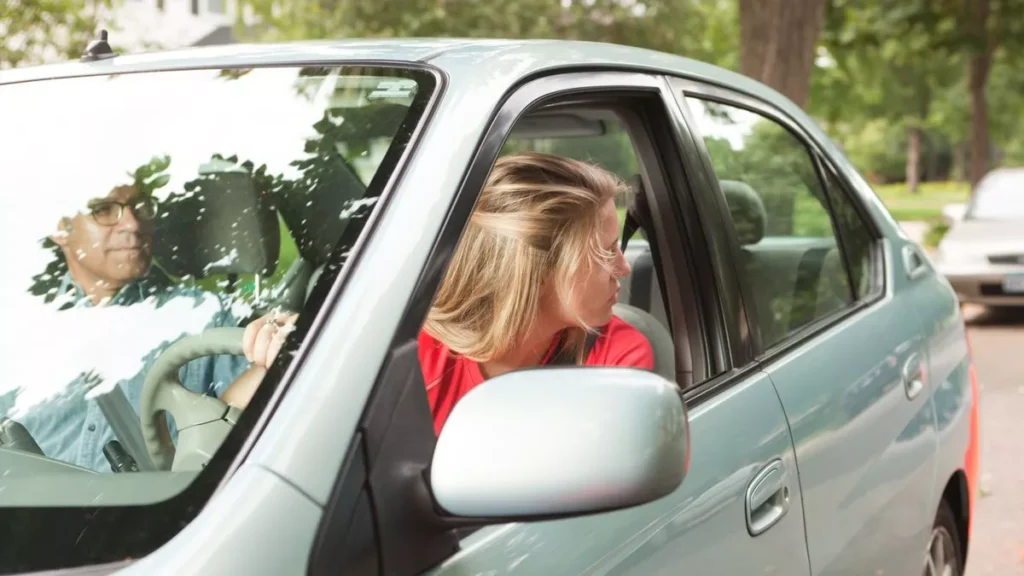

Parking Practice: How to Choose the Best Place to Start Learning
Learning to park is one of the most important skills you will develop as a learner driver. Parking requires precision, patience, awareness and confidence, and the location where you first begin practising plays a huge role in how comfortable you feel. Many learners struggle with parking not because the manoeuvres are too difficult, but because they start practising in the wrong environment. Choosing the right place for your early parking practice helps you learn calmly, understand the basics more clearly and gradually build the confidence you need to park smoothly in real driving situations. Whether you are preparing for bay parking, parallel parking or simply trying to understand how the car moves at low speeds, the right location makes all the difference. This guide will help you choose the best place to start your parking practice so you can learn safely, confidently and without unnecessary pressure.
Why the Right Location Matters for Parking Practice
Choosing the right place to begin your parking practice shapes your entire learning experience. Parking is a low speed skill, but it requires focus, careful steering and good judgement of space. If you start practising in an area that feels too busy or too cramped, your confidence may drop before you even understand the basics. A calm environment reduces nerves and allows you to learn step by step. The right location also helps you avoid distractions from traffic, pedestrians or tight obstacles. This means you can focus on what the car is doing, how much space you have and how to carry out each part of the manoeuvre safely. Where you practise matters just as much as how you practise.
Finding the Ideal Environment for Early Parking Practice
When you first begin parking practice, your goal is to learn in a space that feels comfortable and predictable. Look for areas with wide spaces, clear markings and minimal traffic. An empty car park outside of business hours is often an excellent starting point. Large open spaces give you the freedom to practise without feeling boxed in. They allow you to get used to the car’s movements, learn how it reacts to small steering changes and understand how much room you need to manoeuvre. Early practice is not about perfection. It is about building familiarity and confidence.
Parking Practice for Beginners: Understanding the Basics Before Choosing a Location
Before you choose your first location, it helps to understand what early parking practice involves. Parking requires you to use slow, controlled movements and rely heavily on your mirrors, observations and steering accuracy. You will learn how to reverse safely, how to judge distance between cars, how to correct your position and how to control your speed with clutch or brake control. Because these skills take time to develop, your first location should feel safe, spacious and calm enough for you to focus without fear of getting too close to other vehicles.
What Makes a Good First Location for Parking Practice
A good first location should have enough space for you to learn without pressure. Ideally, you should look for: large empty car parks, wide open areas, clear bay markings, good visibility, flat ground and minimal distractions. These conditions allow you to practise the manoeuvres at your own pace. Avoid steep gradients, narrow bays or tight layouts in the beginning. Your early focus should be on technique, not challenge.
Using Empty Car Parks for Early Parking Practice
Empty car parks are one of the safest and most effective places to begin parking practice. They offer wide bays, clear markings and plenty of space to reverse, straighten and reposition. Supermarkets, retail parks or leisure centres can be ideal during early mornings, late evenings or quiet weekdays. Make sure you choose a car park with proper lighting if you are practising later in the day. Empty car parks help you practise the foundations of bay parking, steering control and positioning without the worry of parked vehicles too close on either side.
Quiet Residential Streets for Parking Practice
Once you feel comfortable in wide open areas, you can progress to quiet residential streets. These roads often have parked cars, gentle traffic flow and enough space to practise parallel parking safely. Make sure to choose a road with long stretches of pavement-side parking so you can take your time setting up the manoeuvre. Residential streets help you move from wide open practice to real world parking environments. They allow you to experience how parking feels when other vehicles or obstacles are nearby, while still keeping the environment calm enough for learning.
Avoiding High Pressure Areas in Early Parking Practice
Many learners accidentally choose locations that are too challenging for early practice. Avoid high pressure areas such as busy supermarket car parks during peak hours, multi storey car parks, narrow bays with cars parked close on both sides or city centre streets with heavy traffic. These environments require advanced spatial awareness, quick judgement and a lot of confidence. If you attempt these too early, you may become overwhelmed. Starting somewhere easier ensures that when you eventually reach more difficult locations, you feel prepared and calm.

Parking Practice: Gradually Increasing Difficulty
The key to successful parking practice is gradual progression. Begin in a quiet, open space. Once you feel comfortable, move to lightly populated car parks. After that, try quiet residential streets. Eventually, progress to busier areas or narrower streets. This gradual increase in difficulty helps you build confidence naturally. You learn at a pace that suits you rather than rushing into stressful situations. Each new environment teaches you slightly different skills and helps you expand your comfort zone.
Why Repetition Matters in Parking Practice
Parking requires muscle memory, precise steering and good judgement of distance. These skills develop through repetition, not speed. The right location allows you to repeat each manoeuvre several times without interruption. In an empty car park, you can practise reversing into bays again and again until the movements feel natural. In a quiet residential street, you can attempt parallel parking repeatedly without worrying about blocking traffic. Repetition builds confidence and consistency.
How to Know You’re Ready to Move to a Harder Location
You know you are ready to move to a more challenging environment when you can complete the manoeuvre consistently and calmly in your current one. If you can bay park in an empty car park without hesitation, you can move to a slightly busier car park. If you can parallel park on a quiet street confidently, you can progress to areas with light traffic. Confidence, control and consistency are the signs that you are ready to level up your practice.
Parking Practice in Real Test Conditions
Eventually, you will want to practise in conditions similar to the driving test. Bay parking and parallel parking can take place in various test centres or public car parks. When you do this later in your learning journey, you will already understand the basic techniques. The location will no longer feel intimidating because you have learned gradually rather than throwing yourself into difficult conditions early on.
Practising Parking With and Without Other Cars Around
Practising without cars around helps you learn mechanics. Practising with cars nearby helps you learn judgement. Both are important. Start with no obstacles. Then slowly introduce more realistic positioning. Practising between cones or markers is also helpful. Once you feel confident, gradually practise around real vehicles. Real cars help you learn the different spacing needed depending on vehicle size and position.
Choosing Safe Times of Day for Parking Practice
The time of day matters as much as the location. Avoid times when car parks are busy or residential streets are crowded. Early mornings, late evenings or weekdays during work hours tend to be quieter. Choosing the right time allows you to practise without interruption. Less traffic also means fewer distractions, which helps you focus entirely on technique.
Parking Practice: Understanding the Environment Before Starting
Before you begin practising in a new location, take a few moments to observe the environment. Look at the width of the bays, the height of kerbs, the slope of the ground and the volume of traffic. Familiarise yourself with the layout. Knowing what to expect helps you plan your approach and reduces nervousness.
The Importance of Feeling Safe and Comfortable
Feeling safe is essential to successful learning. If a location makes you feel anxious, it is not the right place for the early stages of parking practice. Confidence grows in calm environments. When you feel comfortable, you are more likely to learn effectively and remember the techniques long-term.
How Your Instructor Helps You Choose the Right Location
Driving instructors are experienced in choosing the right locations for each stage of parking practice. They know where the quiet spots are, which areas are best for beginners and how to introduce more challenging conditions when you are ready. Trusting their guidance helps you learn effectively and safely.
Final Thoughts
Parking practice is a skill that becomes easier, smoother and more enjoyable when you start in the right environment. Choosing a calm, spacious and predictable location allows you to learn without pressure. As your confidence grows, you can gradually move to more realistic and challenging environments. The goal is not to rush, but to build strong technique and clear understanding. With the right location, pacing and support, your parking practice will help you become confident, capable and ready for any real world parking situation.


