


Mastering Roundabouts: A Guide for Learner Drivers
Roundabouts are one of the most common road features in the UK, and they appear everywhere, from quiet residential areas to major dual carriageways. They keep traffic flowing, reduce congestion and make junctions safer by slowing drivers and reducing sharp turns. But for many learners, roundabouts can feel overwhelming. Multiple lanes, fast-moving traffic, signalling rules and the pressure to make quick decisions can create confusion or panic. The good news is that once you understand the structure, timing and rhythm of roundabouts, they become one of the easiest and safest junction types to use. This guide is designed to help you build confidence, stay in control and truly understand roundabouts for learner drivers.
Why Roundabouts Feel Hard at First
Roundabouts require a blend of skills: observation, lane discipline, speed control, anticipation and timing. As a learner, you’re still developing these skills, so it’s normal to find roundabouts challenging. The pressure of other drivers behind you, fast-moving gaps in traffic and multiple exits can make it feel like everything is happening at once. What feels chaotic at first becomes predictable once you learn how traffic behaves on roundabouts. With regular practice and good technique, many learners eventually prefer roundabouts over traffic lights because they allow smoother, more controlled driving.
Understanding the Purpose of Roundabouts
Before mastering roundabouts for learner drivers, it helps to understand why they exist. Roundabouts are designed to keep traffic moving safely by using priority rules instead of stop-and-go systems like traffic lights. Drivers entering must give way to traffic already circulating to reduce collisions. Because everyone travels in the same direction, the risk of head-on accidents is significantly lower. Learning to use roundabouts efficiently improves your awareness, anticipation and overall confidence behind the wheel.
Knowing the Layout and What Each Part Means
Roundabouts come in different sizes and shapes, from tiny mini-roundabouts painted on the road to huge multi-lane roundabouts with traffic lights. Regardless of size, most share similar features such as approach roads, lanes, road markings, signs, the central island and exits. As you approach, you will always find signs showing which exits lead to which destinations. These signs are your first source of information. They help you decide which lane you should be in long before you reach the roundabout. Understanding the layout early makes the entire process smoother and less stressful.
Roundabouts for Learner Drivers: Choosing the Correct Lane Before You Arrive
Lane choice is one of the most important skills when navigating roundabouts for learner drivers. The general rule is simple: the left lane is for turning left or continuing straight, and the right lane is for turning right or taking exits that go more than halfway around. Some roundabouts will have road markings that give more specific instructions. You must follow these markings even if they differ from general rules. Moving into the correct lane early gives you more time to focus on speed, observation and decision-making.
Why Early Observation Makes Roundabouts Easier
Approaching a roundabout without observing properly leads to rushed decisions. You should begin observing long before you reach the give-way line. Look ahead into the roundabout, check traffic from the right and also watch the flow of vehicles already circulating. Good observation helps you judge gaps early, anticipate speed changes and keep your approach smooth instead of stopping abruptly. When you observe effectively, you will feel far less pressure at the give-way line because you are prepared.
Roundabouts for Learner Drivers: Controlling Your Speed on Approach
Speed is one of the biggest reasons learners panic at roundabouts. Approaching too fast means you have less time to judge gaps, while approaching too slowly may make you hesitate when a safe gap appears. A controlled approach is ideal. Begin reducing your speed early and select the right gear for your approach. A controlled speed gives you time to make calm decisions without feeling rushed. Remember that not every roundabout requires stopping; some allow you to keep moving if the traffic flow is clear.
Understanding Priority Rules and Why They Matter
One of the earliest rules you learn about roundabouts is to give way to traffic coming from the right. This is because drivers already circulating have priority, ensuring a safe and structured flow. Some roundabouts include traffic lights or additional signs that may override this rule, but in most cases, the principle remains the same. Giving way does not mean waiting unnecessarily. It means assessing whether a gap is safe. Once a clear gap appears, moving decisively is safer than hesitating.
Roundabouts for Learner Drivers: Judging Gaps Safely and Confidently
Gap selection is where many learners struggle. Choosing a gap that is too small is unsafe, while waiting too long can frustrate other drivers and increase your nerves. A safe gap is one where you have time to accelerate smoothly without causing other cars to brake suddenly. If the traffic flow is heavy, a larger gap may be needed. If the flow is slow, smaller gaps may be acceptable. Practising with your instructor helps you understand what safe gaps look like in different situations.
Keeping Calm Under Pressure from Other Road Users
One of the biggest sources of anxiety is the presence of cars behind you. When drivers behind appear impatient, learners often panic or rush into a gap that isn’t safe. It is crucial to remember that your responsibility is to drive safely, not to satisfy anyone behind you. Taking an unsafe gap because of pressure is far worse than waiting a little longer. Staying calm and trusting your judgment protects both you and other road users.
Roundabouts for Learner Drivers: Signalling Correctly and Clearly
Signalling is another essential roundabout skill. When turning left, you should signal left before you arrive. When going straight, you usually do not signal on approach. Instead, you signal left only after passing the exit before yours. When turning right, you signal right before entering the roundabout and then switch to a left signal as you approach your exit. Clear signalling helps other drivers predict your movements and reduces confusion. Proper signalling creates safer and smoother traffic flow.
Lane Discipline While Circulating
Maintaining good lane discipline inside the roundabout is crucial. You should stay in your lane and avoid drifting left or right. On multi-lane roundabouts, drifting even slightly can confuse other drivers or lead to a collision. Keep your steering smooth, look ahead at where you want to go and avoid focusing too much on the central island. The roundabout should be navigated with a steady flow rather than sudden movements or last-minute adjustments.
Roundabouts for Learner Drivers: How to Exit Safely and Smoothly
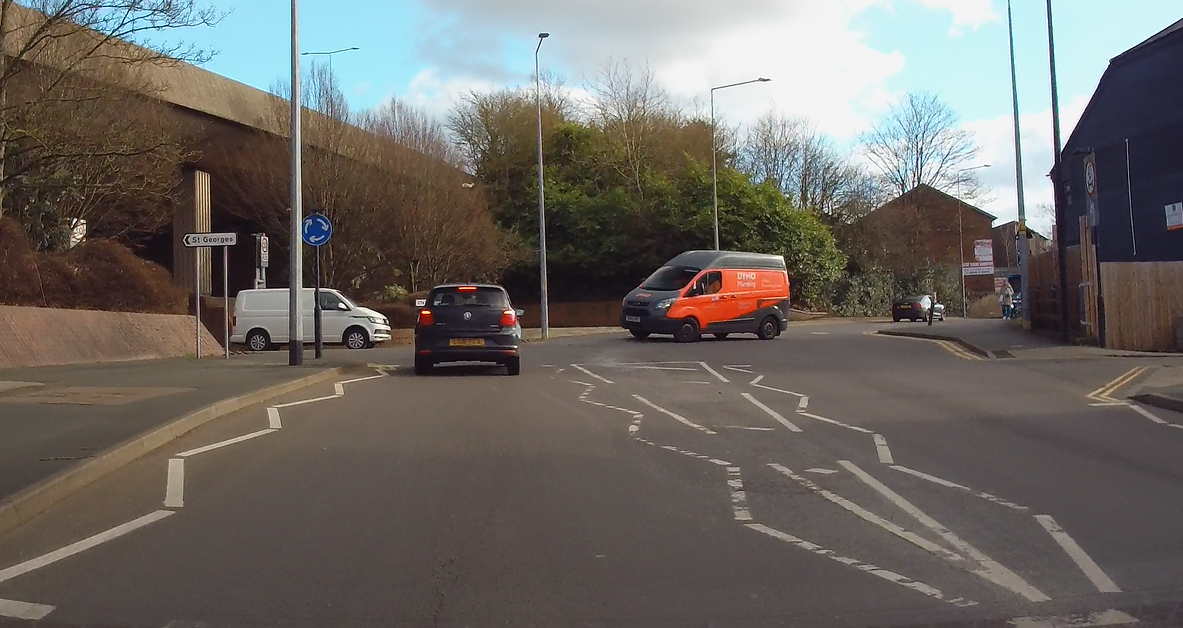
Exiting a roundabout requires good timing and awareness. As soon as you pass the exit before yours, you should check your mirrors, signal left and prepare to exit. Look out for pedestrians, cyclists or vehicles moving toward the exit alongside you. Maintain a steady speed while exiting and avoid accelerating abruptly. Exiting smoothly helps build your confidence and ensures your journey continues safely.
Dealing with Large Multi-Lane Roundabouts
Large roundabouts with multiple lanes, traffic lights or complex markings can feel intimidating, but they follow the same basic principles. The key is to approach slowly, read all signs early and move into the correct lane long before you reach the roundabout. Because multi-lane roundabouts offer more route options, they rely heavily on lane discipline. Staying calm and trusting the signs helps you manage the complexity without feeling overwhelmed.
Roundabouts for Learner Drivers: Handling Mini-Roundabouts
Mini-roundabouts are smaller and often found in residential or urban areas. Because space is limited, your observation and steering must be precise. You should still give way to the right and signal appropriately. Learners often take mini-roundabouts too quickly or fail to check for traffic from the right because the layout seems simple. Treat mini-roundabouts with the same seriousness as larger ones to ensure safe and controlled navigation.
Understanding Roundabout Road Markings and Signs
Road markings guide you into the correct lane and show the direction of each exit. These can include arrows, lane dividers and arrows painted on the road surface. Keeping an eye on these markings helps you stay in the right lane. Road signs placed before the roundabout show the number of exits, directions and lane instructions. Reading these early prevents last-minute lane changes or confusion.
Roundabouts for Learner Drivers: Anticipating Other Drivers’ Mistakes
Not all drivers use roundabouts correctly. Some fail to indicate, some change lanes without warning and others brake suddenly. Expecting the unexpected keeps you safe. Watch for signs of hesitation, drifting or unclear signalling. Anticipation helps you react smoothly rather than being surprised or panicked.
Staying Calm When Things Don’t Go Perfectly
It is normal to make mistakes on roundabouts, whether you stall, miss a signal or choose the wrong lane. Staying calm and correcting the mistake safely is far more important than the mistake itself. Panicking only escalates the situation. If you miss your exit, continue around the roundabout until you can safely try again.
Roundabouts and Your Driving Test
Roundabouts appear on most practical driving tests because they are common and test essential skills. Examiners want to see safe decision-making, good observation, lane discipline and controlled speed. They are not expecting perfection. A smooth, safe and confident approach is what matters. Even if you make a minor error, you can still pass if your overall control and awareness are strong.
Final Thoughts
Roundabouts may seem complicated at first, but with practice and the right mindset, they become one of the easiest and most predictable features on the road. Mastering roundabouts for learner drivers helps you build strong driving habits that last long after your test. Stay calm, practise consistently, trust your training and remember that confidence grows every time you approach a roundabout with patience and control.


