
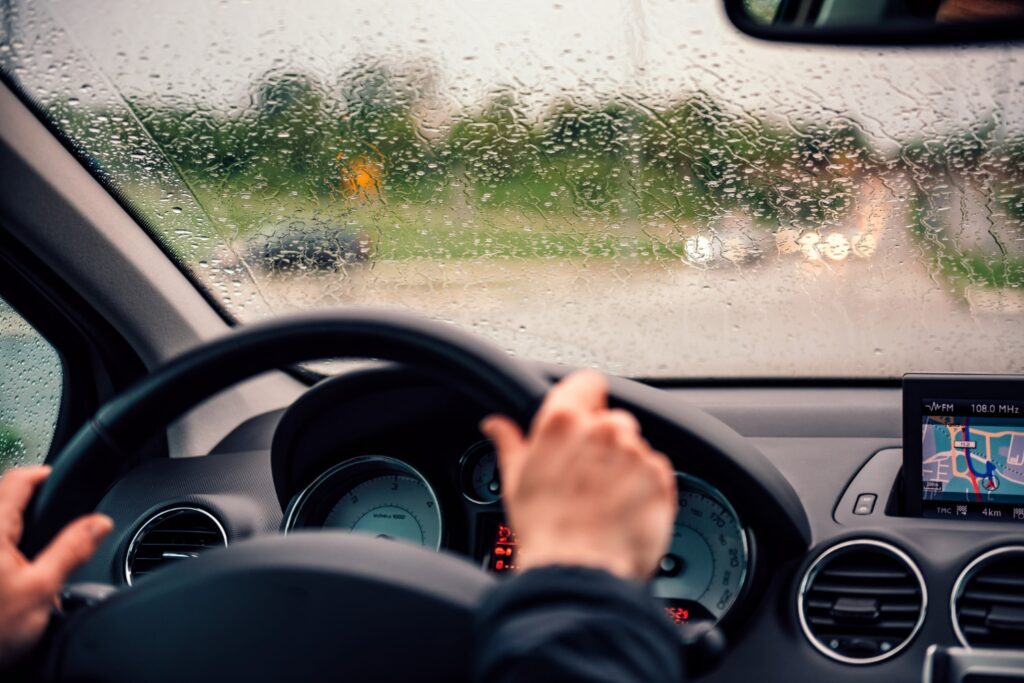

Driving Lessons in the Rain: What Learner Drivers Need to Know
Learning to drive in the UK means you will face all kinds of weather, and rain is one of the most common conditions you will encounter. Whether you are taking lessons in North London around Tottenham, Wood Green and Enfield or anywhere else in the country, driving lessons in the rain are an important part of becoming a confident and capable driver. Rain affects visibility, the road surface, braking distance and the behaviour of other road users. Understanding how to drive safely in wet weather helps you develop real world driving skills that prepare you for both your driving test and day to day journeys after you pass.
Many learners feel nervous when they see rain on the day of their lesson, but rainy conditions help build strong habits. They teach you how to slow down, anticipate hazards, adjust your speed and make thoughtful decisions. Once you learn these skills, you will feel more confident in all weather conditions. This guide explains everything you need to know about managing driving lessons in the rain, from visibility challenges to wet road techniques, so you feel prepared and in control no matter the weather.
Why Driving Lessons in the Rain Matter for Learners
Driving lessons in the rain may feel more challenging, but they provide essential experience. When you become a full licence holder, you will not be able to choose the weather you drive in. Work shifts, school, errands and appointments still need to be done even when it rains. Learning in real conditions helps you feel better prepared. Rain teaches you how to stay calm, maintain control and think ahead. It sharpens your awareness and helps you build confidence in situations that many new drivers find difficult.
How Rain Affects Road Conditions and Your Driving
Rain changes the way the road surface behaves. Even a light shower can make the road slippery, especially at the start of rainfall when water mixes with oil on the road. This reduces tyre grip and increases the distance needed to stop safely. Heavy rain makes visibility more difficult, and water from other vehicles can spray onto your windscreen. Understanding how rain affects your car and the road helps you adapt your driving to stay safe. Your instructor will help you recognise how to adjust your control and anticipate these changes.
Adjusting Your Speed During Driving Lessons in the Rain
Speed is one of the most important factors during driving lessons in the rain. The faster you drive, the harder it becomes to stop safely on wet roads. Rain increases braking distances and reduces your ability to respond quickly. During wet weather lessons, your instructor will help you understand how to manage your speed so you remain in control at all times. Driving slightly slower gives you more time to think, react and avoid hazards.
Using Wipers, Lights and Demisters Correctly
Rain affects visibility both outside and inside the car. This is why it is important to know how to use your windscreen wipers, demisters and air circulation settings. Your instructor will show you how to switch between different wiper speeds, use dipped headlights to improve visibility and prevent the windscreen from fogging. Many learners are unsure how these controls work until they face rainy conditions. Learning how to manage them confidently prepares you for real life weather.
Keeping a Safe Distance on Wet Roads
Maintaining a safe distance from the vehicle in front is essential during driving lessons in the rain. Wet roads increase stopping distances, so you need more space to brake safely. Your instructor will remind you to increase your following distance so you have enough time to react to sudden changes. Leaving a larger safety gap is a sign of good judgement, and examiners look for this during the driving test if the weather is poor.
Smooth Braking and Steering Techniques for Wet Weather
Smooth driving becomes even more important in wet weather. Sudden braking or sharp steering movements can cause the car to lose stability. During driving lessons in the rain, you will learn how to brake early and gently, steer smoothly and accelerate steadily. These skills reduce the risk of slipping or skidding and help you maintain full control of the car. Rainy conditions teach you how to become a smoother and more thoughtful driver.
Visibility Challenges During Driving Lessons in the Rain
Rain reduces visibility for everyone on the road. Water on the windscreen, dimmer daylight and reflections from headlights make hazards harder to see. You must learn how to adjust your driving to remain safe. Using dipped headlights, keeping your wipers on and checking your mirrors frequently all help you maintain awareness. Your instructor will show you how to look further ahead and scan the road more often. These are important habits for safe driving in all weather conditions.

Watching for Pedestrians, Cyclists and Other Road Users in the Rain
Wet weather affects pedestrians and cyclists as much as drivers. Pedestrians may rush across the road without looking carefully. Cyclists may wobble or change position unexpectedly to avoid puddles. Other drivers may brake suddenly because of poor visibility. Learning how to manage driving lessons in the rain helps you understand how road users behave differently in wet weather. Staying alert and anticipating these behaviours improves your hazard perception and overall safety.
Dealing with Puddles, Spray and Standing Water
Driving through puddles can be dangerous if the water is deep or if you travel too quickly. Water can cause the car to lose grip, a situation known as aquaplaning. Your instructor will show you how to slow down before driving through standing water and how to steer gently to maintain control. Rainy lessons teach you to recognise safe and unsafe puddles, how to avoid kerbside water and how to manage spray from larger vehicles. These skills are essential for real world driving, especially during winter.
Improving Hazard Perception in Wet Weather
Hazard perception is an important part of driving, and rain makes hazards more difficult to spot. During wet weather lessons, you naturally become more aware of developing situations. You will learn to look for:
Reflections on wet surfaces
Brake lights ahead
Pedestrians under umbrellas
Cyclists moving unpredictably
Vehicles spraying water
These conditions help you develop sharper observation skills. This is extremely helpful for both the theory test and the practical test.
Building Confidence During Driving Lessons in the Rain
It is normal to feel nervous when driving in the rain for the first time. Your instructor understands this and will support you throughout the lesson. The more you practise, the more your confidence grows. Driving lessons in the rain help you learn how to remain calm and collected even when visibility is low or the roads feel slippery. Learning how to manage these conditions early helps you feel prepared for any situation you face as a new driver.
Practising Different Road Types in Rainy Conditions
Rain affects different road types differently. Your instructor may take you through various areas so you understand how each road behaves in wet weather. For example:
Residential roads may have puddles near the kerb
Roundabouts may be more slippery
Hills may require careful clutch control
Main roads may have more spray from other vehicles
Practising on different roads during rainy lessons builds your adaptability and strengthens your overall driving ability.
Knowing When to Slow Down or Adjust Your Driving Plan
A safe driver knows when to make adjustments. If the rain becomes heavy or visibility drops significantly, slowing down is the safest choice. Examiners expect learner drivers to drive according to the weather, not just the speed limit. Learning how to judge when conditions require extra caution helps you demonstrate maturity and awareness on the road. This skill is important for both your test and everyday driving.
Final Thoughts
Driving lessons in the rain may feel challenging at first, but they are an essential part of becoming a confident and skilled driver. Rainy weather teaches you how to maintain control, adjust your speed, improve visibility and manage hazards safely. These skills help you become a stronger, safer and more aware driver. Whether you are taking lessons in Tottenham, Wood Green, Enfield or another part of the UK, rainy day practice ensures you are prepared for real life driving after you pass your test.
Ready for Driving Lessons in All Weather Conditions
If you want patient, experienced instructors who help you build confidence in every type of weather, we are here to support you. We provide manual and automatic driving lessons across North London and guide learners through all conditions to help them feel fully prepared for their driving test and everyday driving.


