


Budgeting for Driving Lessons: How Much You’ll Need and How to Plan
Learning to drive is an exciting milestone, but it also comes with financial responsibility. For many learners, driving lessons are one of the biggest expenses they face during their journey toward independence. While the total cost varies from person to person, planning ahead makes the process far easier, less stressful and more manageable. Whether you are funding your lessons yourself or receiving support from family, understanding exactly what you will need financially helps you stay in control and avoid surprises along the way.
Driving lessons are more than just weekly sessions with an instructor. You must consider the cost of theory training, test bookings, revision materials, licence fees and, for some learners, private practice or additional support. At first, it may feel overwhelming, especially if you are unsure how many lessons you might need or how quickly costs will add up. But when you break everything down and create a clear plan, budgeting becomes simple and predictable. The goal of this guide is to help you understand each element of budgeting for driving lessons, how the learning process works and what steps you can take to manage your money effectively from beginning to end.
Why Budgeting Before You Start Lessons Matters
Many learners begin lessons enthusiastically but without a clear financial plan. As weeks go by, the cost of regular lessons, additional practice time and test fees can become challenging if not planned for. Without a budget, you may find yourself taking long breaks between lessons or stopping altogether, which slows progress and can increase the total number of lessons you need.
A well-planned budget helps you stay consistent, and consistency is one of the biggest contributors to learning faster and spending less overall. When you know what to expect financially, you can avoid stress and instead focus on gaining confidence behind the wheel.
Budgeting for Driving Lessons: Understanding Lesson Prices
Lesson prices vary depending on your location, the driving school you choose and the type of lesson you book. In most parts of the UK, hourly rates typically range between £30 and £40. Some instructors may charge more or less depending on demand, experience level or lesson format. Automatic lessons also tend to cost slightly more than manual lessons.
While the hourly price matters, what matters even more is finding an instructor who teaches well, communicates clearly and helps you progress efficiently. A cheaper lesson rate is not necessarily better if the instruction is unclear or inconsistent. Good teaching reduces the number of lessons you ultimately need.
How Many Lessons Most Learners Need
A key part of budgeting for driving lessons is understanding how many lessons you are likely to need. While everyone learns at a different pace, the DVSA states that most learners require around 40 to 50 hours of professional instruction, plus an additional 15 to 20 hours of private practice.
Some learners progress faster than average, especially if they practise regularly between lessons. Others may benefit from more structured lessons or extra time on specific skills such as roundabouts, parallel parking or dual carriageways. Your instructor will help you understand where you stand and how to plan realistically for the number of hours you will need.
Budgeting for Driving Lessons: Factoring in Weekly Costs
Most learners choose one or two lessons per week. A single one-hour lesson each week may cost £35–£40, while two hours might cost £70–£80 or more. When planning your budget, it helps to calculate your expected weekly spending so you know what to set aside.
If you take lessons too far apart, you may spend time revisiting previous skills, which can increase the total number of lessons you need. If you take too many lessons at once without enough time to absorb information, you may feel overwhelmed. A balanced schedule is best for both learning and budgeting.
Block Bookings and How They Can Save Money
Many driving schools offer discounted block bookings—such as packages of 5, 10 or 20 lessons. These packages often reduce the hourly cost and help learners save money in the long run. For example, a standard £38 lesson may drop to £35 or less when bought as part of a package.
When budgeting for driving lessons, block bookings can be one of the most cost-effective tools available. However, you should only purchase a block booking if you feel confident with your instructor. It is better to take a trial lesson first to make sure their teaching style suits you before committing to a large package.
Budgeting Beyond Lessons: Hidden or Unexpected Costs
Learning to drive involves more than lesson fees. To budget effectively, you must consider additional costs such as:
The provisional driving licence fee, which many learners overlook at the beginning.
Theory test fees and any revision apps or books if you choose paid options.
Practical driving test fees, including the cost of hiring your instructor’s car for test day.
Fuel costs if you practise in a family member’s vehicle.
Insurance for private practice if required.
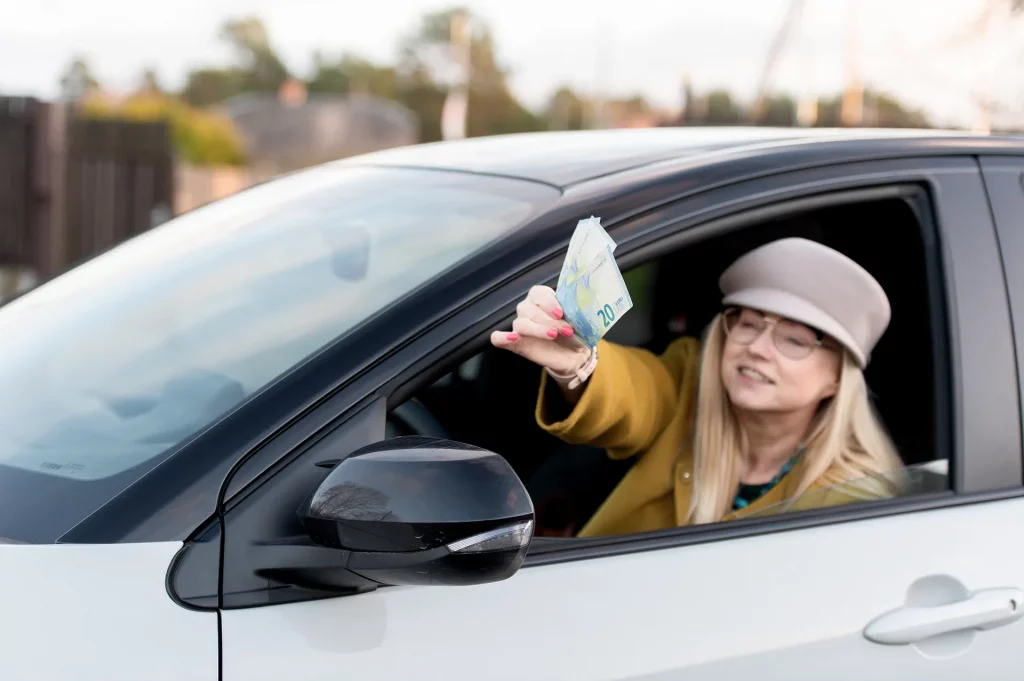
These costs vary, but planning for them early prevents financial surprises and helps you stay consistent in your learning.
Budgeting for Driving Lessons: The Cost of the Practical Test
The practical test itself is not expensive compared to lessons, but many learners forget to budget for the full test experience. The DVSA fee is one part, but most instructors charge for using their car on test day, typically covering the hour before the test for warm-up, the test itself and the return journey.
This can add up to two or three hours of lesson time on the same day. Understanding this cost in advance helps you prepare without feeling rushed or pressured.
Managing Test Waiting Times and Avoiding Wasted Money
Test waiting times can be long in some areas. If you book your test too early—before you are fully ready—you may fail and need to pay for another test. This adds to your total budget. It is often better to invest in a few extra lessons to ensure you are test-ready rather than rushing.
Being realistic about your readiness saves money and strengthens your confidence.
Budgeting for Driving Lessons: How Private Practice Helps Reduce Costs
Practising with a friend or family member—when legal and supervised properly—can reduce the number of professional lessons you need. Private practice helps reinforce skills and builds confidence without the cost of an instructor.
However, private practice must support your formal lessons, not replace them. Bad habits formed during casual driving can be harder to correct later.
Using Apps and Online Tools to Support Your Learning
There are many free or low-cost apps that help learners practise theory questions, hazard perception and road awareness. Using these tools can speed up your learning and reduce the need for repeated lessons on specific topics.
Investing a small amount in high-quality revision tools can save money in the long run by helping you pass your tests more quickly.
Budgeting for Driving Lessons: Deciding Whether Manual or Automatic Is Right for You
Automatic lessons tend to cost more per hour but may require fewer lessons because learners often find automatic driving less complex. Manual lessons are generally cheaper but require more skill development.
Your choice may impact your budget, so consider which option makes sense for your confidence, preference and long-term driving goals.
How to Avoid Overspending During Your Learning Journey
Overspending usually happens when learners book lessons inconsistently, switch instructors frequently or take long breaks between lessons. To avoid this, commit to a consistent schedule, build trust with one instructor and stay engaged in your progress.
Clear communication with your instructor also helps. Ask them to explain how much more time you need, what areas you must improve and how close you are to being test-ready.
Budgeting for Driving Lessons: Creating a Personal Learning Plan
A structured learning plan helps you stay motivated and financially organised. Write down your goals, expected number of lessons, weekly schedule and budget. Include theory test preparation, practical test dates and private practice opportunities.
Reviewing this plan monthly helps you stay on track and adjust your budget when needed.
Saving Strategies to Make Lessons More Affordable
If you need to spread the cost of lessons over time, consider small weekly savings, setting aside a fixed amount from wages or using block booking deals.
Some learners also ask for financial support from family members as a birthday or holiday gift, which can reduce pressure and keep learning consistent.
Budgeting for Driving Lessons: Staying Motivated Until the End
Financial planning plays a big role in maintaining motivation. When you budget well, you avoid long breaks and continue progressing smoothly. This helps build confidence and reduces overall costs because learning remains steady and efficient.
Remember that driving is a long-term skill. The money you invest now sets you up for years of independence, mobility and opportunity.
Final Thoughts
Learning to drive is an important milestone, and understanding the financial side of the journey makes the process far easier. By planning ahead, setting a clear budget and understanding how many lessons you may need, you take control of your progress and avoid unnecessary stress.
Budgeting for driving lessons does not need to feel overwhelming. With consistent lessons, smart planning and the right mindset, you can learn efficiently and confidently without overspending. Driving is a valuable life skill, and preparing financially is one of the best steps you can take toward achieving your licence with confidence.


