

Driving Automatic: The Main Benefits and Drawbacks Explained
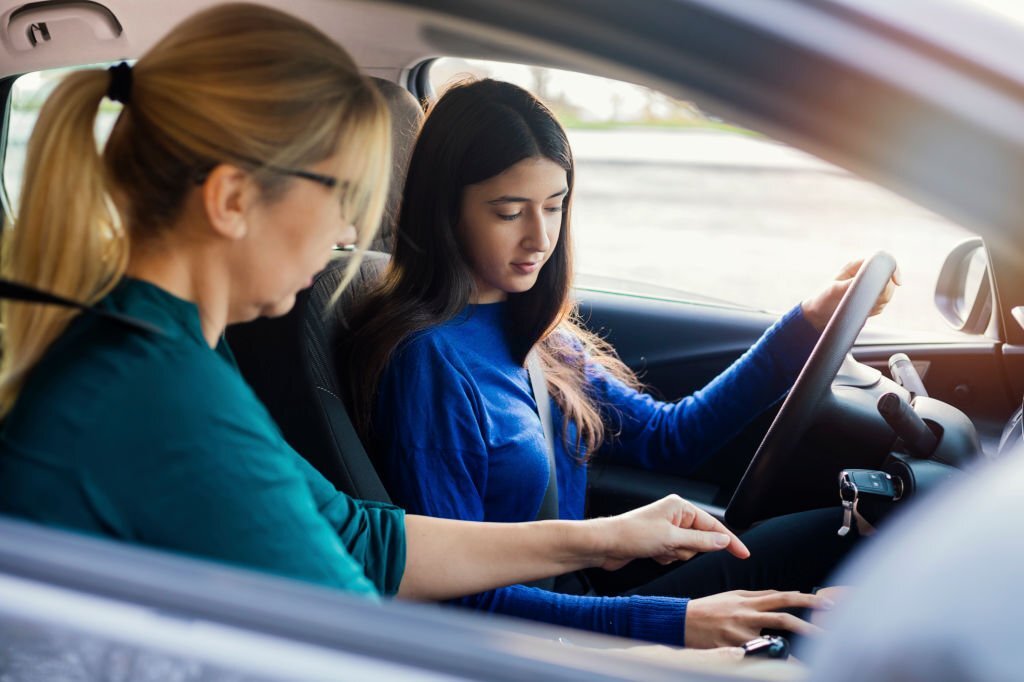
Choosing whether to learn in a manual or automatic car is one of the biggest early decisions you’ll make as a learner driver. In recent years, more learners have shifted towards automatic driving because it feels simpler, more modern and often less stressful. With electric vehicles becoming more common, automatic driving is becoming an even bigger part of the future. But while driving automatic offers many advantages, it also comes with certain drawbacks that are important to understand before making your choice. This guide explains the main benefits and disadvantages of driving automatic so you can decide whether it’s the right option for your learning journey and long-term driving goals.
Why More Learners Are Choosing to Learn Driving Automatic
Learners today are choosing automatic cars more than ever before. Roads are busier, traffic can be stressful and many people appreciate the simplicity of not having to manage clutch control, biting points and gear changes. Automatic cars allow you to focus more on the road and less on the mechanical side of driving. For new drivers, this can feel reassuring. But while the trend is rising, driving automatic is not the perfect choice for everyone. Understanding both sides will help you make an informed decision.
Driving Automatic: What Makes It Easier for Beginners
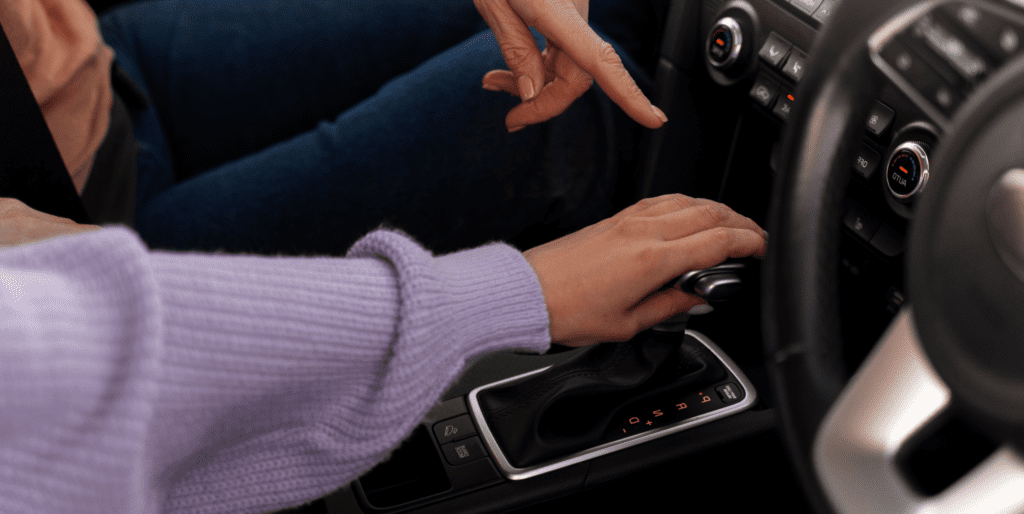
One of the biggest advantages of driving automatic is how quickly learners feel comfortable behind the wheel. Without a clutch pedal or manual gear changes, driving becomes simpler. You only have two pedals — brake and accelerator — making the process more intuitive. This means you can put more energy into learning road awareness, observations, steering and hazard perception instead of worrying about stalling or selecting the wrong gear. Because automatic cars do more of the mechanical work for you, beginners often progress faster in the early stages. This boost in confidence can motivate learners who may feel nervous about the complexity of manual driving.
Why Driving Automatic Reduces Stress in Heavy Traffic
In busy traffic, constant clutch control and frequent gear changes can become tiring and stressful. Driving automatic removes this strain entirely. You don’t need to switch gears repeatedly, and you’ll never stall in stop-and-go traffic. This makes city driving and rush-hour conditions far more comfortable. You can focus on keeping a safe distance, responding to traffic flow and staying alert without worrying about clutch slipping or rolling backward on hills. For many learners, this reduction in stress is one of the strongest reasons to choose automatic.
Driving Automatic: Ideal for Learners Who Struggle With Coordination
Manual driving requires a high level of coordination. You must balance clutch control, gear selection, steering, braking and accelerating all at once. Some learners find this overwhelming. Others may have physical or cognitive reasons that make manual driving more challenging. Driving automatic removes several layers of complexity, making the learning process smoother and more accessible. If you have previously struggled with the clutch or biting point in a manual car, switching to automatic may help you progress faster and with less frustration.
Automatic Cars Are Becoming More Common on UK Roads
Another reason automatic learning is growing is the changing landscape of cars in the UK. Electric vehicles and hybrid vehicles are automatic by design. As the country moves closer to fully phasing out new petrol and diesel cars, automatic transmission will become even more common. This shift makes learning in an automatic car a more future-proof choice for many learners. If you plan to own an electric car in the future, starting with automatic lessons aligns with modern driving trends.
Driving Automatic: Understanding What You Lose by Not Learning Manual
While driving automatic has clear benefits, choosing automatic also means giving up the ability to drive a manual car legally. If you pass your test in an automatic, your licence will only allow you to drive automatic vehicles. You must take another test if you ever want to drive manual. Some jobs and travel situations may require manual driving. Although automatic cars are becoming more common, manual cars are still widely used across the UK. Before committing to automatic-only learning, think carefully about whether you will need manual driving for work, personal travel or future flexibility.
Manual Cars Offer Greater Control and Versatility
Many experienced drivers prefer manual cars because they offer a sense of control. Being able to change gears yourself gives you more precision when accelerating, overtaking or driving in challenging conditions. Manual cars can feel more responsive, which appeals to people who enjoy the driving experience itself. While automatic technology has improved significantly, manual cars still offer a unique level of engagement. If you are interested in driving performance vehicles in the future, learning manual may be a better long-term choice.
Driving Automatic: The Cost Differences You Should Consider
Automatic cars can be more expensive to buy, maintain and repair. The technology inside automatic gearboxes is often more complex, which increases repair costs. Automatic driving lessons are also sometimes more expensive because automatic cars can cost more for instructors to operate and insure. Manual cars, on the other hand, are often cheaper to purchase and maintain. If budget is an important factor in your decision, understanding these cost differences will help you weigh the advantages and disadvantages of learning to drive automatic.
Availability of Automatic vs Manual Driving Instructors
In some areas of the UK, there are fewer automatic driving instructors compared to manual ones. This means lesson availability may be more limited, and waiting times may be longer. While automatic instructors are becoming more common, manual instructors are still more widely available. If you prefer more flexibility with scheduling lessons, this is something to consider. Always check instructor availability before committing to a specific transmission type.
Driving Automatic: How It Affects Your Driving Test
Learners who choose driving automatic often feel more confident during the practical test because there are fewer technical elements to manage. Without clutch control and gear changes, you can fully concentrate on observations, hazards and decision-making. This reduces the chance of stalling, rolling back or selecting the wrong gear — all common reasons learners fail in a manual car. Because of this, many learners feel the test is less stressful in an automatic. However, passing in an automatic limits your licence, so the easier test experience must be weighed against long-term restrictions.
Automatic Cars Help You Focus on Road Awareness and Safety
Driving is ultimately about safe decision-making, not just mechanical skill. Automatic driving allows learners to focus more on what’s happening around them. Without the distraction of gears, your mind is free to pay more attention to mirrors, pedestrians, cyclists, road signs and changing conditions. This can lead to better hazard perception skills and smoother driving habits. Many instructors find that their automatic learners develop strong observational awareness earlier because they spend less mental energy on vehicle control.
Driving Automatic: Why It Can Be Better for Nervous Drivers
If you experience anxiety behind the wheel, driving automatic may feel less overwhelming. Nervous learners often struggle with stalling, balancing the clutch or switching gears at the right time. These issues can increase anxiety and make lessons feel stressful. Automatic cars remove these pressure points, allowing nervous drivers to learn at a comfortable pace. When anxiety decreases, your confidence grows. Over time, you become more relaxed, and your driving becomes smoother and safer.
Situations Where Manual Driving Still Has the Advantage
Even as automatic cars grow in popularity, there are situations where manual driving still has strong advantages. Rural areas with steep hills, older vehicles or limited public transport may rely more on manual cars. Some driving jobs prefer or require manual driving. Additionally, many people who enjoy driving find manual cars more engaging and responsive. If you expect to drive in those environments or industries, learning manual may offer more long-term flexibility.
Driving Automatic: Transitioning to Electric Vehicles
If you are planning for the future, automatic driving aligns with the increasing shift toward electric vehicles. EVs do not have manual gearboxes, and the driving experience resembles automatic driving. Learning in an automatic car prepares you for this transition, making the shift to electric vehicles more natural. As the UK continues to move toward greener driving, automatic transmission will become the standard for new drivers.
Considering Your Long-Term Driving Goals
Choosing between automatic and manual is not just about passing the test quickly. It’s about thinking ahead. Consider what type of car you want to drive, how much confidence you currently feel, where you plan to drive and whether you may need manual driving skills in the future. Your decision should reflect both your current comfort and your future needs.
Driving Automatic: A Good Option for Learners Who Want a Simpler Path
For learners who want to pass more quickly or who feel intimidated by manual controls, driving automatic provides a smoother, clearer learning path. You can build confidence earlier, focus on hazard awareness and enjoy a more relaxed driving experience. While it may limit your licence, it can also help you achieve your driving goals sooner and with less stress.
Final Thoughts
Driving automatic is becoming increasingly popular for good reasons. It simplifies the learning process, reduces stress, removes the risk of stalling and allows you to focus fully on safety and awareness. But choosing automatic also means giving up the flexibility of driving manual cars unless you take another test in the future. The best choice depends on your personal goals, long-term needs and confidence behind the wheel. Whether you choose manual or automatic, what matters most is becoming a safe, confident and capable driver. Understanding the benefits and drawbacks of driving automatic will help you make the decision that feels right for you.


