

Defensive Driving for New Drivers: An Easy Beginner’s Guide
Learning to drive is exciting, but becoming a safe and confident driver requires more than knowing how to steer, brake and change gears. One of the most valuable skills you can learn after passing your test is how to drive defensively. Defensive driving is not about preparing for danger or expecting the worst every time you get behind the wheel. It is about understanding the road around you, staying alert, anticipating hazards and making calm, controlled decisions.
For new drivers, defensive driving is especially important. You are building habits that will last a lifetime, and learning how to spot potential risks early helps you stay safer and feel more confident on every journey. This beginner friendly guide explains what defensive driving is, why it matters and how to start developing these skills in everyday situations. Whether you have just passed your test or are still preparing, defensive driving gives you the tools to handle real world traffic with ease.
What Is Defensive Driving
Defensive driving means staying aware, thinking ahead and making choices that keep you safe even when other road users behave unpredictably. Instead of reacting at the last second, you learn to anticipate what might happen. This reduces stress, lowers accident risk and helps you stay in full control of your vehicle.
For new drivers, defensive driving builds confidence because it helps you understand the road better. You learn not just to follow rules but to interpret situations. When you drive defensively, you stay calm, patient and prepared for whatever happens around you.
Why Defensive Driving for New Drivers Matters
New drivers are still developing experience, judgement and automatic habits. Defensive driving strengthens these skills by teaching you to stay alert, make thoughtful decisions and avoid risky situations.
Many new drivers focus on vehicle control, but defensive driving shows you how to interact with traffic safely. It helps you identify early warning signs, keep safe distances and avoid rushing into situations that could become dangerous. Defensive driving for new drivers also reduces the likelihood of collisions, speeding mistakes and road rage. The earlier you develop these habits, the safer you will be throughout your driving life.
Building Strong Observation Skills
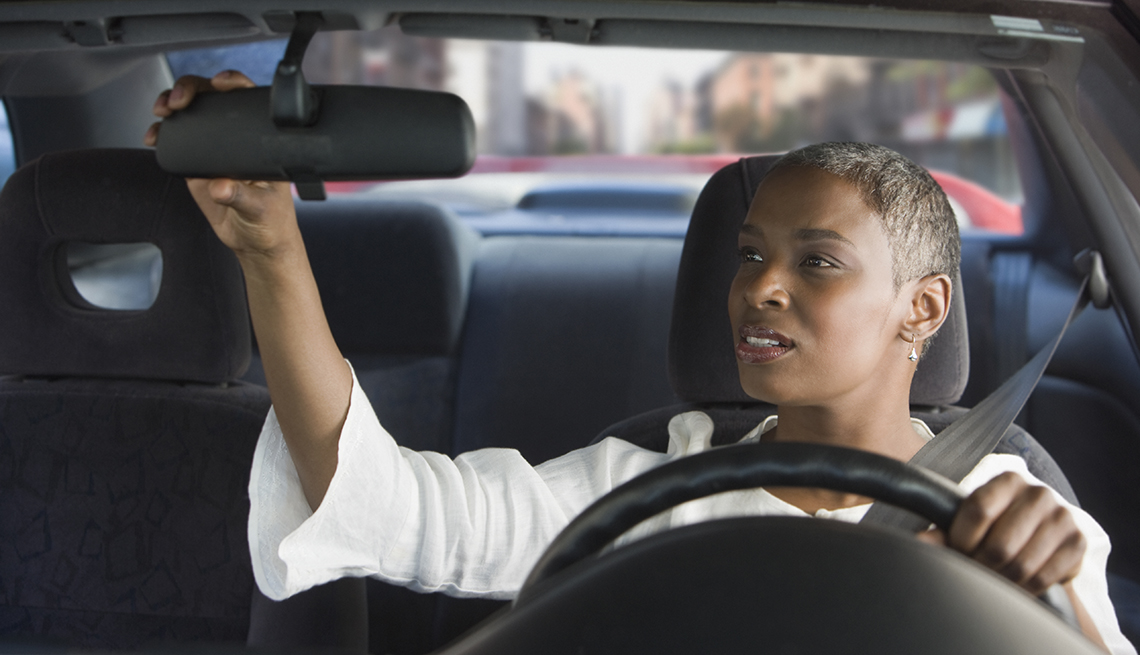
Observation is the foundation of defensive driving. New drivers must learn to look far ahead, not just at what is happening directly in front of the bonnet. Defensive drivers constantly scan mirrors, check blind spots and look ahead to anticipate how traffic is moving.
Good observation helps you spot hazards early, whether it is a pedestrian about to cross, a car stopping suddenly or a cyclist approaching your blind spot. Defensive driving for new drivers starts with becoming aware of everything happening around your vehicle.
Keeping a Safe Following Distance
One of the easiest and most effective defensive driving habits is keeping a safe distance from the vehicle in front. New drivers often follow too closely without realising the risk it creates. If the car ahead brakes suddenly, you may not have enough time to react.
A safe following distance gives you more time to see hazards and respond calmly. It reduces pressure on your brakes, prevents tailgating habits and creates a smoother drive. Defensive driving for new drivers relies heavily on leaving enough space to stop safely in all conditions.
Defensive Driving for New Drivers: Staying Calm Under Pressure
Traffic can be stressful, especially for new drivers who are still getting used to busy roads. Staying calm is an important part of defensive driving because panic leads to rushed decisions.
Defensive drivers breathe, think and act with intention. When someone drives aggressively behind you or you encounter heavy traffic, staying calm helps you keep control. The more composed you remain, the more clearly you can judge situations and react appropriately.
Anticipating Other Road Users
Defensive driving teaches you to think about what other road users might do next. New drivers often focus only on their own actions, but learning to anticipate others helps keep you safe.
For example, a pedestrian standing near a crossing may step out suddenly. A car creeping forward at a junction may pull out unexpectedly. A cyclist may swerve to avoid a pothole.
When you expect these possibilities, they no longer surprise you. Defensive driving for new drivers is about expecting the unexpected.
Avoiding Distractions
Modern driving comes with many distractions. Phones, passengers, music and daily stress can all take your attention away from the road. New drivers are especially vulnerable because they are still building concentration habits.
Defensive driving means avoiding unnecessary distractions and staying focused on the road. Keeping both hands on the wheel, using voice controls and ignoring phone notifications helps you remain fully aware.
Defensive Driving for New Drivers: Understanding Speed Control
Speed plays a huge role in safety. Many new drivers unintentionally drive too fast because they misjudge how long stopping distances really are. Others drive too slowly because they lack confidence, which can disrupt traffic.
Defensive driving teaches you how to choose the appropriate speed for conditions, not just the posted limit. Weather, road conditions, traffic flow and visibility should guide your speed. Learning when to slow down and when to maintain pace is essential for defensive driving for new drivers.
Reading the Road Ahead
Defensive driving encourages you to look beyond the car in front. Scan the road for brake lights, lane closures, sharp bends or roadworks.
When you read the road early, you avoid sudden decisions. You prepare mentally and physically for what is coming. New drivers often look too close to the bonnet, so learning to extend your field of vision is an important defensive driving skill.
Defensive Driving for New Drivers: Making Safe and Clear Decisions
Indecisive driving can cause confusion and accidents. Defensive drivers make deliberate decisions. They signal early, choose lanes with confidence and maintain steady control.
Being clear and predictable helps other road users understand your intentions. This reduces the risk of misunderstandings and keeps traffic flowing smoothly. New drivers who practise confident decision making become safer, calmer and more assertive on the road.
Knowing When to Stop and Let Others Go
Defensive driving teaches you that sometimes the safest decision is to wait. Rushing a gap, forcing your way into traffic or trying to beat another vehicle creates unnecessary risk.
New drivers often feel pressured to move quickly, especially with cars behind them. But defensive driving for new drivers means choosing safety over speed. Taking your time helps prevent collisions and builds long term confidence.
Understanding Blind Spots
Blind spots exist on every vehicle, and new drivers must learn how to check them consistently. Defensive driving includes checking mirrors often, glancing over your shoulder and being aware of vehicles that may slide into your blind zone.
Cyclists and motorbikes are easy to miss. Vehicles overtaking can appear suddenly. Consistently checking blind spots is essential to safe lane changes and turning.
Defensive Driving for New Drivers: Lane Discipline
Maintaining good lane discipline means staying centred, avoiding unnecessary lane changes and positioning your vehicle correctly for turns.
New drivers sometimes drift in lanes or change lanes too often because they feel uncertain. Defensive driving teaches you to stay steady and predictable. Consistent lane discipline reduces confusion for other drivers and increases your safety.
Adjusting to Weather and Road Conditions
Weather can completely change how safe a road is. Rain increases stopping distances, fog reduces visibility and ice turns the road into a hazard. New drivers must learn how to adjust quickly and calmly.
Defensive driving for new drivers includes increasing following distance, slowing down early, using lights correctly and avoiding harsh steering. Building confidence in poor weather takes time, but it is a crucial skill.
Keeping Your Vehicle Well Maintained
A well maintained vehicle is a safer vehicle. Defensive driving goes beyond technique and includes checking tyre pressure, topping up fluids, testing lights and dealing with warning indicators promptly.
New drivers sometimes overlook maintenance, but a car in poor condition increases risk. Staying on top of basic checks gives you peace of mind and reduces the chance of breakdowns.
Defensive Driving for New Drivers: Handling Aggressive Drivers
Not everyone on the road drives calmly. You may encounter drivers who tailgate, honk unnecessarily or rush past you. Defensive driving teaches you not to react emotionally.
Instead, create space, maintain your speed and avoid making the situation worse. Staying calm and predictable helps you stay in control and reduces the risk of conflict.
Recognising When You Are Tired
Fatigue is dangerous. New drivers often underestimate how tiring driving can be, especially long journeys. Defensive driving includes recognising when you are tired, taking breaks and avoiding night driving when exhausted.
Driving when tired slows your reaction time and affects your judgement. Learning to recognise fatigue early keeps you safer on the road.
Developing Patience
Patience is a major part of defensive driving for new drivers. Many accidents happen because drivers rush, get frustrated or try to squeeze through small gaps. Defensive driving helps you remain calm, take your time and make careful decisions.
Patience improves your awareness, lowers stress and keeps journeys safer.
Final Thoughts
Defensive driving is one of the most important skills you can develop as a new driver. It teaches awareness, anticipation, calmness and control. By learning to think ahead and read situations early, you protect yourself and everyone around you.
Driving is not just about getting from one place to another. It is about doing so safely and responsibly. When you invest time in developing defensive driving for new drivers, you build habits that last a lifetime. The more you practise, the more confident and relaxed you become behind the wheel. Start slow, stay alert and keep improving your skills every time you drive.


