


Confident Lane Changing: Use Mirrors Safely and Confidently
Changing lanes is one of the most important skills you will develop as a learner driver, yet for many people it is also one of the most stressful. The moment you prepare to leave one lane and join another, your attention must widen. Suddenly you are aware of cars behind you, beside you and ahead of you, and you must judge whether they will affect your manoeuvre. You are thinking about the speed of traffic, the size of the gap, how quickly vehicles are approaching and how to keep your steering steady. With so much happening at once, it is no surprise that lane changing can feel overwhelming in the beginning.
But lane changing does not have to be intimidating. When you understand the process and learn how to use your mirrors safely and calmly, the entire manoeuvre becomes smooth and controlled. The key to developing confident lane changingskills is not about bravery or speed but about awareness, preparation and patience. The more you practise using your mirrors effectively, the more natural the manoeuvre becomes. With time, lane changing will stop feeling like a high-pressure moment and will instead become a predictable, manageable part of everyday driving.
Why Lane Changing Can Feel Intimidating at First
Driving begins with learning how to stay in your lane, maintain control of the car and focus on what is directly ahead. Lane changing suddenly adds several new layers of responsibility. You must think about cars in other lanes, understand how quickly traffic is moving and anticipate how your actions will affect other road users. You also need to decide when a gap is safe, how much space you need and whether the drivers behind you will react appropriately.
It can feel like a lot to process, and that is completely normal. Many learners worry that they will drift during the lane change, cut someone off without realising, or misjudge the speed of an approaching vehicle. Some feel panicked by the thought of another driver being close behind or becoming impatient while they decide. This combination of pressure and uncertainty can make the manoeuvre feel much harder than it actually is.
Fortunately, lane changing becomes much easier once you break it down into clear steps and rely on your mirrors to guide your decisions. Mirrors give you essential information about what is happening around you, allowing you to change lanes deliberately instead of guessing or reacting under pressure.
Confident Lane Changing: Why Using Mirrors Properly Is Essential
Mirrors are your primary tool for understanding how safe it is to change lanes. When used correctly, they help you judge the speed of traffic behind you, spot vehicles that may be overtaking and see exactly where other cars are positioned in the lane you want to join. Without proper mirror use, lane changing becomes guesswork, and guesswork has no place in safe driving.
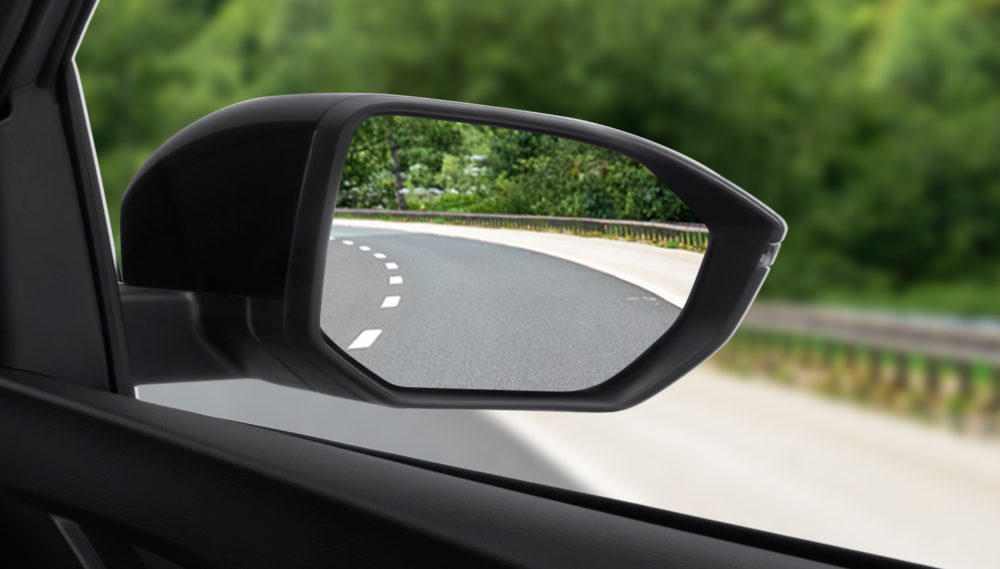
The interior mirror gives you an overall view of what is happening behind you, helping you decide whether the traffic flow is fast, slow or closing in. The door mirrors help you check the specific lane you intend to enter, revealing whether another driver is about to pass you or if someone is travelling in your blind spot.
When you combine all three mirrors with a calm, steady glance over your shoulder, you create a complete picture of your surroundings. This is the foundation of confident lane changing, because it allows you to make decisions based on real information instead of uncertainty.
Understanding How to Interpret What You See in the Mirrors
Checking your mirrors is not enough on its own; you also need to understand what the mirrors are showing you. A quick look may tell you that a car is behind you, but the important question is: how fast is it approaching? Thinking about speed is vital. A vehicle that appears small in the mirror may be travelling quickly and could reach you sooner than expected.
You also need to be able to judge distance. Cars that look close in your door mirrors may still be far enough away for a safe manoeuvre, while cars that appear further back may actually be approaching too fast for comfort. Learning how to read your mirrors takes practice, but the more you use them, the more instinctive it becomes.
Confident Lane Changing: Checking Blind Spots Before Moving
Even with perfectly adjusted mirrors, there will always be small areas beside your car that mirrors cannot show. These are known as blind spots. Failing to check your blind spot before changing lanes is one of the most common mistakes new drivers make, and it can be dangerous.
A blind spot check is quick, controlled and essential. Before you move, turn your head briefly toward the lane you plan to join. This ensures no car or motorbike is hiding just beside you. Including this check in your routine every time will help you develop the awareness needed for confident lane changing.
Signalling Your Intentions Clearly and Calmly
A lane change should never come as a surprise to other drivers. Signalling is your way of communicating your intentions and giving others time to react. Learners often worry that signalling too early will encourage others to speed up or block the gap. However, signalling late or not at all is much more dangerous.
A confident driver signals early, allowing nearby drivers to understand what is happening. Your signal is not a request and it is not a command; it is simply information. Other drivers can then adjust their speed if needed. A calm, steady signal is part of what makes confident lane changing predictable and safe.
Maintaining Control of Your Speed Before and During the Lane Change
Speed management is a major part of lane changing. If you slow down too much during preparation, the gap may disappear or drivers behind you may become confused. If you accelerate too quickly, you may reduce the space in front too rapidly or create unnecessary risk.
The goal is to maintain a smooth, steady speed that matches the flow of traffic in the lane you want to enter. When your speed aligns with the vehicles around you, the lane change feels natural and controlled. This is especially important on fast roads and dual carriageways, where speed differences can be dramatic. Matching the flow is one of the strongest habits for developing confident lane changing.
Using Smooth Steering to Move Between Lanes Safely
Lane changing is not a sharp turn; it is a gentle sideways movement. Some learners mistakenly believe they need to turn the wheel more sharply than necessary, causing the car to drift or jerk. Smooth steering ensures your car glides into the new lane without sudden movements that might unsettle you or worry other drivers.
A confident lane change feels effortless. The car moves across with minimal steering, allowing you to stay centred in your new lane. Over time, your steering becomes more precise, and you stop thinking about how to turn the wheel because your hands begin to understand the movement instinctively.
Confident Lane Changing: Choosing the Right Gap
Gap selection is one of the skills learners develop through experience. A safe gap is one that allows you to move into the lane without causing other drivers to slow down sharply. You must consider not only the distance between cars but also their speed.
If a car is approaching quickly from behind, even a large gap can become unsafe in a few seconds. If vehicles are moving slowly or stopping, a smaller gap may be enough. With time, you begin to understand which gaps feel comfortable and which ones feel risky. Trust your judgement and never feel pressured to move into a gap that does not feel safe.
Knowing When to Abandon a Lane Change
Part of confident lane changing is recognising when not to commit. If traffic changes suddenly, if a driver behind accelerates or if the gap closes, cancelling the manoeuvre is the safest choice.
Signalling does not force you to move. You are allowed to decide against the lane change at any time before you begin steering. This kind of decision-making shows maturity and awareness, and it prevents rushed or unsafe movements.
Staying Calm When Other Drivers Seem Impatient
One of the biggest sources of stress for learners is the feeling of being rushed by other drivers. If a vehicle behind you appears close or impatient, you may feel pressured into changing lanes before you are ready. This is where confidence truly matters.
You must remember that your responsibility is to your own safety. Other drivers’ impatience does not make the gap safer or the manoeuvre easier. A confident driver stays calm, waits for the right moment and ignores unnecessary pressure.
Confident Lane Changing on Faster Roads and Dual Carriageways
Lane changing on dual carriageways involves higher speeds and faster decision-making. Vehicles can approach quickly from behind, making mirror checks even more important. Because everything happens sooner, you must allow yourself more time to observe, match your speed and plan the movement.
On these roads, smooth steering, strong awareness and good speed control are essential. Practising your mirror use regularly helps you become more confident in these environments.
Correcting Your Position After the Lane Change
Once you complete the manoeuvre, you may need to make small adjustments to position yourself correctly in the centre of the lane. This is completely normal. A gentle correction is all that is needed. Overcorrection or sudden movements are unnecessary.
Correcting calmly shows you are in control and helps you maintain the confidence you are building.
Building Long-Term Confidence Through Practice
Confidence grows slowly and steadily. Every time you use your mirrors well, judge a gap correctly or complete a smooth lane change, your skills become stronger. Soon the routine becomes instinctive, and what once felt stressful becomes simple.
Over time, you will no longer think consciously about each part of the manoeuvre because your routine, awareness and mirror use will guide you naturally.
Final Thoughts
Lane changing is about clarity, awareness and calmness. When you learn to rely on your mirrors, trust your judgement and follow your routine, you develop true confident lane changing ability. You stop guessing, stop rushing and start driving with control and intention.
Whether you are on a slow urban road or a fast dual carriageway, confidence comes from preparation, not pressure. With patience and practice, you will feel fully in control every time you change lanes.


