
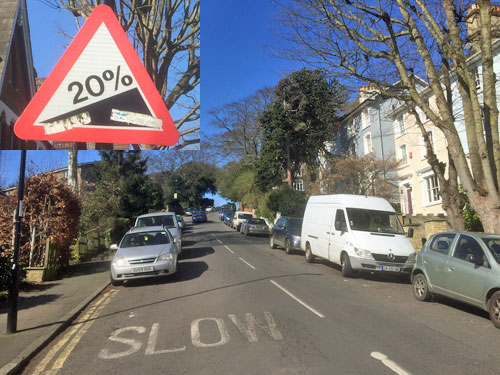

Driving on Hills and Uneven Roads: Essential Tips for Learner Drivers
Learning to drive means becoming comfortable on all kinds of roads, and for many learners, hills, slopes and uneven surfaces are some of the most challenging. These roads require more skill, more control and more awareness than flat, smooth ground. When your car is being pulled downhill or pushed uphill, or when the road begins to shake beneath your tyres because the surface is rough, you need to rely on good technique and strong confidence. The first time you experience hills or uneven roads, they can feel intimidating, but once you understand how the car behaves and how your controls work together, these situations become manageable and even enjoyable.
This complete guide explains everything you need to know about driving on hills and uneven roads, helping you understand the techniques, mindset and preparation required to stay calm and in control.
Why Hills and Uneven Roads Feel Difficult for Learners
Hills introduce a physical force that new drivers are not used to dealing with: gravity. When driving uphill, the car must work harder and needs more power. When driving downhill, the car naturally speeds up and needs more braking control. Uneven roads, on the other hand, create instability beneath the tyres. The car may bounce, tilt or shake depending on potholes, gravel, raised surfaces or damaged tarmac. For a learner who is still developing smooth coordination, both scenarios can feel overwhelming. Many learners worry about rolling backwards, stalling, losing control on rough patches or misjudging speed. These concerns are normal, but they become far easier to manage once you understand the car’s behaviour and the methods used to control it.
How Your Car Reacts on Hills and Uneven Roads
Before attempting any hill or rough surface, it helps to know how your car reacts. When climbing uphill, resistance increases and you need more engine power. This is why the car may feel slower or heavier and why choosing the correct gear is essential. When going downhill, momentum increases, which means the car can pick up speed more quickly than expected. This requires you to use both engine braking and controlled pedal braking. On uneven roads, tyre grip can vary and the car’s suspension will respond to bumps and dips. This can make the car feel shaky or unstable. Knowing these behaviours prepares you mentally so that nothing feels like a surprise.
The Importance of Choosing the Right Gear Early
Gear choice is one of the most important factors when driving on hills and uneven roads. For uphill driving, a lower gear gives the car more power and prevents the engine from struggling. Choosing the gear early helps you maintain momentum. You should avoid changing gears halfway up a steep hill because this can cause stalling or rolling backwards if done too slowly. When travelling downhill, the correct gear helps the car slow down naturally. A lower gear increases engine braking, reducing the need to rely heavily on the brake pedal. This prevents overheating and gives you more stability. When the gear is correct, you feel more control and less panic.
Developing Strong and Confident Uphill Starts
One of the biggest fears learners have is rolling backwards during an uphill start. This happens because gravity pulls the car downhill as the clutch engages. In a manual car, you can prevent this by raising the clutch to the biting point while holding the car with the handbrake. As the car begins to rise gently at the front, you will feel it pulling forward slightly. At that moment, applying a little gas and releasing the handbrake smoothly allows the car to move upwards without rolling. In an automatic, the process is simpler because the car holds itself when you remove your foot from the brake, especially if hill-start assist is activated. Confidence comes from repetition, and once you master this technique, uphill starts become straightforward.
Handling Steep Hills with Control and Confidence
Steep hills require commitment. Many learners hesitate, but hesitation can cause the car to lose power or stall. As you approach a steep incline, increasing the acceleration slightly before the climb helps you maintain momentum. Staying in a lower gear gives the car the power it needs. If you find yourself losing speed, avoid panicking or pressing the accelerator suddenly; instead, increase power gradually. If you must stop halfway up due to traffic, simply use the same uphill start technique as before. With correct preparation, steep hills feel no more challenging than gentle slopes.
Staying Safe and in Control on Downhill Roads
Downhill driving can be unnerving because the car naturally speeds up even without acceleration. The key is to maintain control from the beginning. Before starting the descent, select a lower gear so that the engine helps reduce speed. This prevents the need for heavy braking. If you brake continuously down a long hill, the brakes can overheat and lose effectiveness. Instead, allow the engine to do most of the slowing, and then apply gentle, progressive braking only when needed. Keeping a comfortable speed from the start makes the entire descent smoother and less stressful.
Understanding How to Protect Your Brakes on Long Descents
Brakes can become warm during long downhill stretches, especially if they are used too often. When braking excessively, the pads may heat up, making them less effective. To avoid this, allow engine braking to carry most of the load. Only use your foot brake in short, controlled intervals rather than keeping your foot on the pedal the entire time. This method preserves your brakes and gives you more stability, especially on steep or unfamiliar roads.
Maintaining Good Positioning and Steering Control
When driving on hills and uneven roads, your road position is more important than ever. On steep hills, staying centred within your lane helps keep the car balanced and gives you more control through corners or bends. You should look much further ahead than usual because hills can hide what is coming up next. On uneven roads, your steering should be firm but gentle. Avoid sudden movements, as the car can bounce or shift unexpectedly. Slowing down before a rough surface gives your suspension time to absorb the bumps. When avoiding potholes or broken tarmac, make sure your movements are controlled and safe rather than sharp or rushed.
Approaching Rough or Bumpy Roads with Care
Uneven roads come in many forms, such as cracked tarmac, cobblestone streets, gravel surfaces and deep potholes. These all require careful and deliberate handling. As you approach an uneven section, gently reduce your speed so that the car can absorb the movement without becoming unstable. Using both hands firmly on the wheel keeps the car steady. You should not brake harshly over bumps; instead, brake lightly before the rough area and allow the car to glide over it at a safe speed. This preserves your suspension and helps you stay in control.

Maintaining Traction When Grip Is Reduced
Traction changes dramatically on different surfaces. On gravel or loose stones, your tyres may spin more easily. On mud, the car may slide slightly. On uneven tarmac, the tyres may bounce. To maintain grip, accelerate slowly, steer smoothly and avoid sudden braking. If the car begins to skid gently, stay calm and reduce speed gradually until the tyres regain grip. Most minor loss-of-grip moments resolve themselves if you avoid reacting too harshly.
Learning to Anticipate Hazards on Hills and Rough Roads
Anticipation is essential when driving on hills and uneven roads. You should look much further ahead than usual, especially when approaching the top of a hill. A bend, parked car or pedestrian could be waiting on the other side. When driving on rough surfaces, look ahead for potholes, raised edges or loose gravel so you can adjust your speed early. Anticipation is the difference between calm, smooth driving and sudden panic.
Using the Handbrake to Assist You on Difficult Slopes
The handbrake is not just a parking tool. On steep slopes, it provides stability when you are stationary. If you are stuck behind traffic on a steep hill, using the handbrake allows you to rest your feet and prevents rollback. When moving off, use the same controlled technique you use during hill starts. Avoid using the handbrake while moving, as this can damage the vehicle and cause instability, but when used correctly at a stop, it is one of your strongest tools.
Staying Safe at Blind Summits and Sharp Crests
Blind summits are particularly intimidating because you cannot see what lies beyond the peak. Before reaching the top, reduce your speed slightly and keep to your side of the road. Avoid overtaking anywhere near the summit and prepare for the possibility of traffic, cyclists or even animals appearing suddenly. Approaching blind summits with caution and control is a hallmark of a responsible driver.
Knowing When to Apply Extra Brake Pressure Safely
Sometimes hills or uneven roads require stronger braking, especially when travelling downhill toward a tight bend or approaching unexpected rough surfaces. When this happens, braking should be firm but smooth. Pressing the brake abruptly can cause skidding or instability, particularly if the surface grip is reduced. By planning early, lowering your speed gradually and remaining steady, you maintain full control even in more challenging situations.
Avoiding the Most Common Mistakes on Hills and Rough Roads
Learners often make predictable mistakes such as rushing hill starts, giving too little power when climbing, using the wrong gear, staring too close to the bonnet instead of scanning ahead, braking too hard on uneven surfaces, steering too sharply or panicking when the car rolls back slightly. Understanding these mistakes helps you avoid them. With experience, your reactions become calmer, steadier and more automatic.
Building Confidence When Traffic Is Behind You
Hills can feel more stressful when drivers behind you seem impatient. This pressure leads many learners to rush, roll backwards or stall. The key is to focus on your own technique and ignore the behaviour of others. You are learning and not responsible for anyone’s frustration. Most experienced drivers understand learner nerves. Staying calm protects both you and them far more than rushing ever could.
How Automatic Cars Handle Hills and Uneven Roads
Automatic cars simplify driving on hills and uneven roads because they change gears for you and often include hill-start assist. They prevent rollback automatically and make acceleration smoother. However, you still need to look ahead, brake early, steer with control and manage your speed carefully. Even with assistance, the principles of anticipation and smooth handling remain the same.
Adjusting When the Road Surface Changes Quickly
Road surfaces do not always change gradually. You might go from smooth tarmac to gravel or from even road to potholes with little warning. When this happens, the safest response is to reduce speed gently, maintain a steady grip on the wheel and allow the car to adapt. Sudden changes in steering or braking can be risky. Smooth adjustments keep the car balanced and safe.
Learning to Trust Your Techniques and Build Confidence
The more you practise hills and uneven roads, the more natural they feel. Confidence grows slowly at first, then quickly once you understand the car’s behaviour. Every successful hill start and every controlled descent helps you become a stronger driver. Uneven roads become familiar instead of frightening, and your overall driving improves as your control develops.
Final Thoughts
Mastering driving on hills and uneven roads is an essential part of becoming a confident driver. These roads teach you coordination, patience, planning and awareness. Once you understand the techniques and practise them regularly, they become some of the easiest parts of your driving experience. Take your time, stay calm, and trust the skills you are building. With each attempt, you will grow more confident and capable, preparing you for real-world driving long after your test.


