

What the Examiner Looks For in Your Practical Driving Test
The practical driving test is one of the most important steps in your journey to becoming a fully licensed driver. Months of practice, lessons, feedback and preparation all lead to this moment. Many learners walk into the test unsure about what the examiner truly wants to see. Do they want perfection? Are they looking for unusual driving skills? Do they expect you to know every route or handle every situation flawlessly?
The reality is much simpler — examiners want to see safe, consistent, responsible driving. They are not searching for professional-level skills or absolute perfection. Their goal is to assess whether you can drive independently without putting yourself or others at risk. Once you understand what the examiner is looking for, the test becomes far less intimidating and much more manageable. This guide explains in detail what examiners assess during the practical driving test, how they make decisions and how you can demonstrate the safe driving habits you’ve been practising.
Understanding the Role of the Driver and the Examiner
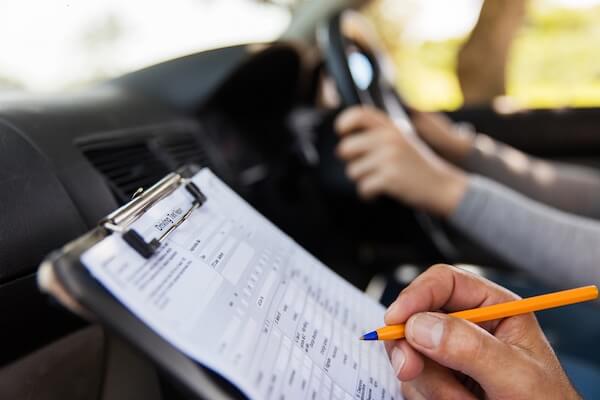
The examiner’s job is to evaluate how safely you drive, not to make you nervous or catch you out. They follow strict DVSA guidelines and must remain fair and consistent with every learner.
During your practical driving test, the examiner focuses on:
Your ability to make safe decisions
Your understanding of the Highway Code
How well you control the vehicle
Your awareness of other road users
Your consistency under pressure
Their goal is not to fail you. They want you to pass — as long as you demonstrate road safety and good judgment.
The Structure of the Practical Driving Test
Before looking at what examiners assess, it helps to understand the structure of the test. The practical driving testusually lasts around 40 minutes and includes:
An eyesight check
“Show me, tell me” safety questions
General driving on various roads
One reversing manoeuvre
Possibly an emergency stop
Around 20 minutes of independent driving
Each section gives the examiner multiple opportunities to observe your driving skills and decision-making.
Practical Driving Test: Safe Vehicle Control
One of the main areas examiners focus on is vehicle control. This means how confidently and smoothly you use the clutch, accelerator, brake, steering and gears.
They look for:
Smooth steering
Balanced speed control
Good clutch control
Appropriate use of gears
Controlled braking
Driving does not need to be perfect — small bumps or slight hesitation are normal. What matters is that you remain in control and respond calmly.
Observation: The Foundation of the Practical Driving Test
Observation is one of the most important skills the examiner assesses. Poor observation is one of the top reasons learners fail.
The examiner wants to see:
Regular mirror checks
Timely blind-spot checks
Clear awareness of hazards
Decision-making based on what you see
Every time your car changes speed or direction, your mirrors should be checked. This includes:
Slowing down
Speeding up
Turning
Changing lanes
Merging
Moving off
The examiner is not only looking for the act of checking mirrors — they are assessing whether you use the information from them to drive safely.
Practical Driving Test: Positioning and Lane Discipline
Your road position shows the examiner how well you judge space, speed and road layout. Lane discipline is crucial during your practical driving test, especially on roundabouts, dual carriageways and multi-lane roads.
The examiner expects:
Staying centred in your lane
Correct lane choice
Safe and early lane changes
Smooth adaptation to road markings
Clear signalling
Do not worry if your positioning is not perfect. Slight adjustments are normal. What matters is accuracy, safety and avoiding drifting or cutting across lanes.
How You Approach Junctions and Roundabouts
Junctions and roundabouts are high-pressure areas where many mistakes happen. The examiner wants to see:
Correct observations
Clear understanding of priorities
Judging safe gaps
Controlled approach speed
Smooth steering
Early and accurate signalling
Safe lane choice
This is where your consistency matters. Examiners want to see calm, confident behaviour at every type of junction:
T-junctions
Crossroads
Roundabouts
Filter lanes
Traffic lights
Box junctions
Even if you take slightly longer at a junction, examiners prefer caution over risky decision-making.
Practical Driving Test: Speed Awareness and Control
A very common myth is that examiners expect you to drive at the speed limit at all times. This is not true. They expect you to drive at a safe and appropriate speed.
They look for:
Not driving too fast
Not driving too slowly
Adjusting speed for conditions
Staying within limits
Keeping up with the traffic flow
Driving too slowly without reason can cause a fail because it shows a lack of confidence or awareness. Driving too fast is equally dangerous.
Balance is key — and examiners know the difference between caution and hesitation.
Using Signals Correctly
Signals are a form of communication with other road users. During the practical driving test, the examiner expects:
Early signals
Clear signals
Correct signals
Cancelling signals at the right time
Signals should never be misleading. The examiner wants to see that your signals help other road users understand your intentions.
Practical Driving Test: Dealing with Traffic and Other Road Users
A major part of the test is observing how you interact with traffic. Examiners assess how you respond to:
Pedestrians
Cyclists
Motorcyclists
Buses
Emergency vehicles
Slow-moving traffic
Aggressive drivers
You must show awareness, patience and clear anticipation. The examiner wants to see that you make safe decisions even when the traffic behaves unpredictably.
How You Handle Following Distance and Space
Keeping appropriate distance keeps you and others safe. The examiner expects:
Keeping a safe gap behind large vehicles
Leaving space at traffic lights
Not tailgating
Maintaining a safe following distance
In slow-moving traffic, they want to see “creep and stop” control. On open roads, they expect consistent spacing that gives you time to react.
Practical Driving Test: Independent Driving Section
The independent driving section lasts around 20 minutes and assesses your ability to follow directions without constant guidance.
This may involve:
Following road signs
Following a sat-nav
Following a series of verbal instructions
Examiners look for:
Clear judgment
Good observations
Safe decision-making
Calm lane discipline
If you miss a direction, it is not a fail. Examiners care about safety, not memory.
Reversing Manoeuvres: What the Examiner Wants to See
You will complete one manoeuvre from the list:
Parallel park
Bay park (forward or reverse)
Pull up on the right and reverse
Examiners are checking for:
Effective observations
Slow and controlled movement
Awareness of surroundings
Accuracy
Safe positioning
Mistakes in manoeuvres are usually minor faults unless they become unsafe. You can adjust your position — examiners expect this.
Practical Driving Test: How You Handle Mistakes
Mistakes happen. Even experienced drivers make them. The examiner is not marking you for being perfect but for being safe.
If you:
Stall
Miss a mirror check
Brake harder than usual
Take a corner a little wide
—you have not automatically failed.
What matters is how you recover.
Carry on calmly
Correct your mistake safely
Refocus
A safe recovery shows maturity and awareness — two qualities examiners value highly.
Anticipation and Planning Ahead
The examiner wants to see that you can predict what might happen next. This includes:
Noticing brake lights early
Spotting pedestrians ahead
Watching for merging traffic
Identifying cyclists near junctions
Slowing down for potential hazards
If you plan ahead and react early, the drive will be smooth — and the examiner will see you understand real-world safety.
Practical Driving Test: Confidence Without Overconfidence
Confidence helps you make safe decisions. Overconfidence leads to risk-taking. The examiner wants to see:
Steady confidence
Clear awareness
No hesitation that causes danger
No rushing
Driving that shows maturity and responsibility
Your instructor has prepared you for this moment. Trust your training but stay grounded.
Staying Calm and Focused Throughout the Test
Staying calm is a huge part of passing the practical driving test. Nervous learners often rush or overthink. The examiner wants to see a driver who:
Focuses on one instruction at a time
Handles pressure maturely
Ignores distractions
Thinks clearly even when nervous
Calmness leads to better decisions and safer driving.
How the Examiner Makes Their Final Decision
At the end of the test, the examiner will consider:
Minor faults
Serious faults
Dangerous faults
You can pass with up to 15 minor faults, as long as they are not repeated patterns.
One serious or dangerous fault results in a fail.
The decision is based on overall safety. A single moment rarely defines the test unless it is genuinely unsafe.
What Happens After the Test Ends
After parking safely, the examiner will:
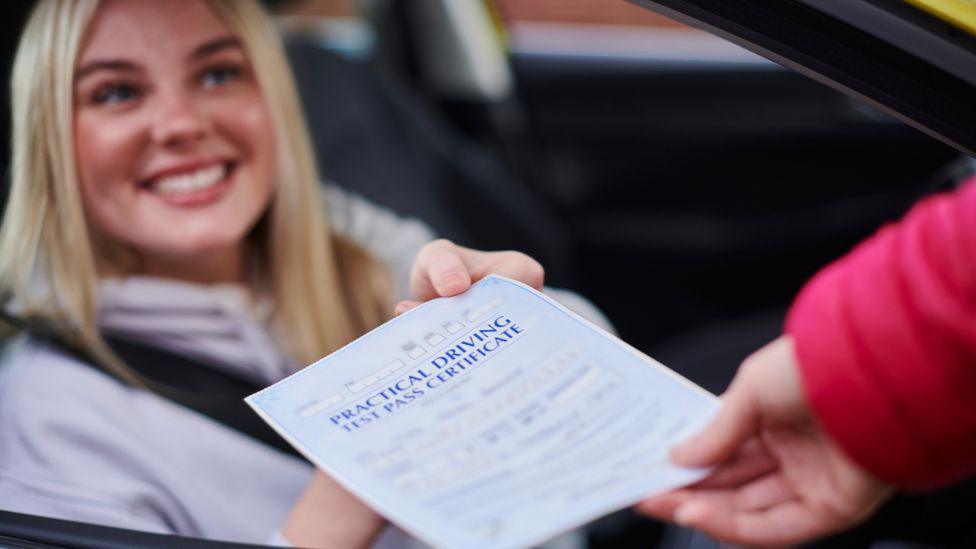
Give you your result
Explain any faults
Hand you a feedback sheet
If you pass, they will also explain how to get your full licence.
If you don’t pass, they will calmly explain what to improve for next time.
Their goal is to help you become a safe driver — regardless of the result.
Final Thoughts
The practical driving test is not a test of perfection. It is a test of safety, awareness, judgment and calm control. Examiners want to see a driver who understands the road, respects other road users and can handle everyday situations without panic.
You already practise these skills during your lessons. The test simply gives you the chance to show them. Trust your training, stay calm, focus on one moment at a time and believe in your ability. You are far more capable than your nerves allow you to believe.


