
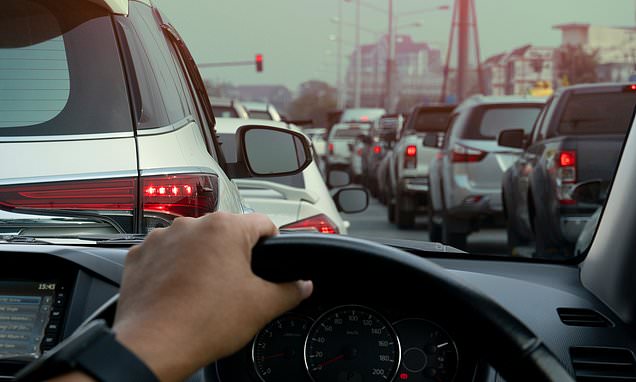

Driving in Heavy Traffic: How to Stay Calm and Confident
Driving in heavy traffic is something every learner driver experiences sooner or later, whether you are navigating a busy town centre, approaching a roundabout during rush hour or joining a dual carriageway filled with slow-moving vehicles. Heavy traffic can feel overwhelming at first. Cars are close together, there is less time to react, and everything seems to happen at once. Many learners worry about stalling, switching lanes, merging safely or dealing with impatient drivers around them. But the truth is that driving in heavy traffic becomes much calmer once you understand how to manage the situation.
The goal is not to rush or keep up with everyone else. The goal is to stay calm, stay in control and drive at a pace that feels safe for you. Confidence comes from understanding traffic behaviour, using the right techniques and giving yourself permission to breathe and think clearly. This guide will show you exactly how to stay calm and confident while driving in heavy traffic, so you can handle busy roads with ease and prepare fully for your driving test and beyond.
Why Driving in Heavy Traffic Feels Overwhelming
For learners, heavy traffic can intensify every part of the driving experience. There is less space between vehicles, more distractions, more stop-start movement and more uncertainty. You might feel pressured by cars behind you, worried about slowing down traffic or anxious about making mistakes.
Driving in heavy traffic requires calmness and patience, not speed or complexity. The key is to recognise what triggers your stress. This may include:
Being too close to other vehicles
Not knowing when to change lanes
Fear of stalling in slow-moving or uphill traffic
Feeling rushed by other drivers
Uncertainty about gaps or merging opportunities
Once you understand your triggers, you can work on techniques that help you stay in control.
Driving in Heavy Traffic: Staying Calm Starts Before You Move Off
One of the best ways to stay calm in heavy traffic is to prepare before you start the car. A calm start leads to a calm journey.
Sit comfortably with your seat and mirrors adjusted. Make sure you have good visibility around the car. Take a few slow breaths to settle your nerves. Ensure your mirrors and blind spots give a clear picture of vehicles approaching from behind or alongside. Anticipating the flow of traffic early helps you avoid surprises later.
When you feel prepared and grounded, heavy traffic becomes far less intimidating.
Understanding Traffic Flow and Why It Helps You Stay Calm
Heavy traffic has a rhythm. Cars slow down, move forward, pause again and continue. When you understand this rhythm, it becomes predictable rather than stressful.
Driving in heavy traffic is not about reacting to every tiny movement instantly. It is about looking far ahead, reading the road early and adjusting your speed gently.
Use your mirrors frequently. Look ahead at the flow, not just the car directly in front of you. Notice brake lights several vehicles ahead. This gives you more reaction time and prevents sudden stops. Smooth anticipation is one of the easiest ways to lower stress in heavy traffic.
Driving in Heavy Traffic: Keeping a Safe Following Distance
A safe following distance is your number-one tool for staying calm. When you keep enough space between you and the vehicle in front, everything feels easier.
Space gives you time to react. Space reduces pressure. Space protects you from sudden braking.
In heavy traffic, use a larger gap than normal. This helps you crawl smoothly rather than constantly stopping. You control the pace, not the car in front. Having that breathing room helps reduce panic, prevents stalls and keeps you relaxed.
Using Clutch Control and Smooth Pedal Work
Driving in heavy traffic often means stop-start movement. Strong clutch control stops you from jerking, lurching forward or stalling.
When crawling forward, use the biting point gently. In many situations, you do not need the accelerator at all. Let the clutch pull the car forward softly. If traffic stops, press the clutch down fully and brake gently.
Smoothness creates calmness. Jerky driving often leads to stress, but controlled clutch work makes the car feel steady, predictable and easy to manage.
Driving in Heavy Traffic: Managing Lane Discipline with Confidence
When roads are busy, maintaining good lane discipline is essential. Staying centred in your lane helps you feel stable and in control.
Check your mirrors often to stay aware of vehicles on either side. Stay in your lane unless you genuinely need to move. Do not switch lanes to “get ahead” — this often increases stress and does not save time.
If you need to change lanes, plan early. Signal, check your mirrors, do a blind spot check and merge slowly and confidently. Never feel pressured to rush.

Avoiding Pressure from Other Drivers
One of the biggest sources of stress when driving in heavy traffic is the behaviour of other drivers. Some may follow closely. Some may switch lanes aggressively. Others may seem impatient.
You are not responsible for their mood. Your only responsibility is to drive safely.
If someone behind you is tailgating, do not speed up or rush. Maintain a safe pace. If needed, slightly increase your following distance from the car ahead so you have more time to react.
Driving in heavy traffic is about staying calm, not giving in to pressure.
Driving in Heavy Traffic: How to Handle Merging Situations
Merging onto a busy road can feel overwhelming. The key is to plan early.
Use your mirrors to identify gaps well before you reach the merge point. Adjust your speed gently to fit into the flow. Signal early and clearly. Do not hesitate — steady, controlled movement is safer than sudden decisions.
If a gap is not available, slow down and wait. Forcing your way in creates risk. A calm decision is always better than a rushed one.
Mastering Roundabouts in Heavy Traffic
Roundabouts are intimidating for many learners, especially during peak traffic.
Stay calm by approaching slowly and observing early. Use your mirrors to understand surrounding traffic. Look at the lanes and markings well in advance.
If the roundabout is busy, wait for a safe gap. Everyone on the road has been a learner at some point — nobody will judge you for taking your time. Confidence on a roundabout comes from anticipation, not speed.
Driving in Heavy Traffic: Staying Calm at Traffic Lights and Junctions
Heavy traffic often means long waits at junctions or traffic lights. This is a perfect moment to relax your shoulders, breathe and reset your focus.
If the light turns green and vehicles ahead begin moving, do not rush. Use smooth movements — clutch up gently, add a little gas and keep your eyes ahead.
At junctions, use mirrors to check for cyclists or motorbikes filtering through traffic. Take your time judging gaps when turning. Calm decisions build confidence.
How to Stop Stress from Building Up While Driving
Driving in heavy traffic can increase your heart rate, make your muscles tense and cause you to breathe quickly. These reactions are normal, but you can manage them effectively.
Try these simple techniques:
Relax your shoulders
Loosen your grip on the steering wheel
Take slow, deep breaths through your nose
Scan the road ahead rather than staring at the car in front
These small adjustments help reset your body, keeping you calm and focused.
Driving in Heavy Traffic: Using Mirrors to Increase Confidence
Mirrors are essential when driving in heavy traffic. They help you understand how closely other vehicles are following, whether someone is changing lanes or if a cyclist is filtering.
Check them frequently but calmly. You do not need to look constantly — just enough to stay aware of your surroundings. Confidence grows when you feel fully aware of everything happening around your vehicle.
Avoiding Common Mistakes Learners Make in Heavy Traffic
Some of the most common mistakes learners make include:
Following the car in front too closely
Rushing lane changes
Focusing only on the vehicle directly ahead
Using too much clutch or gas
Letting pressure from other drivers influence decisions
These mistakes fade quickly when you focus on calm, steady driving. Heavy traffic is not a test of speed — it is a test of patience and control.
Driving in Heavy Traffic: Practising with Your Instructor
The best way to improve is through practice. Ask your instructor for more lessons in heavy traffic if you feel nervous. The more you experience busy roads, the more familiar they feel.
Your instructor will teach you crucial techniques such as:
Smooth clutch control
Early anticipation
Judging gaps
Understanding traffic behaviour
Cop ing with queueing traffic
These skills will help you not just during lessons, but throughout your entire driving life.
Final Thoughts
Driving in heavy traffic can feel intimidating at first, but with the right mindset and techniques, it becomes manageable — even comfortable. Confidence comes from experience and awareness, not rushing. When you keep a safe distance, use smooth clutch control, anticipate early and ignore pressure from other drivers, the journey feels calmer and more controlled.
Remember, every confident driver you see on the road once felt nervous too. The more practice you get driving in heavy traffic, the more natural it becomes. With time, these situations will feel ordinary, and you will be able to navigate even the busiest roads with clarity and confidence.


